






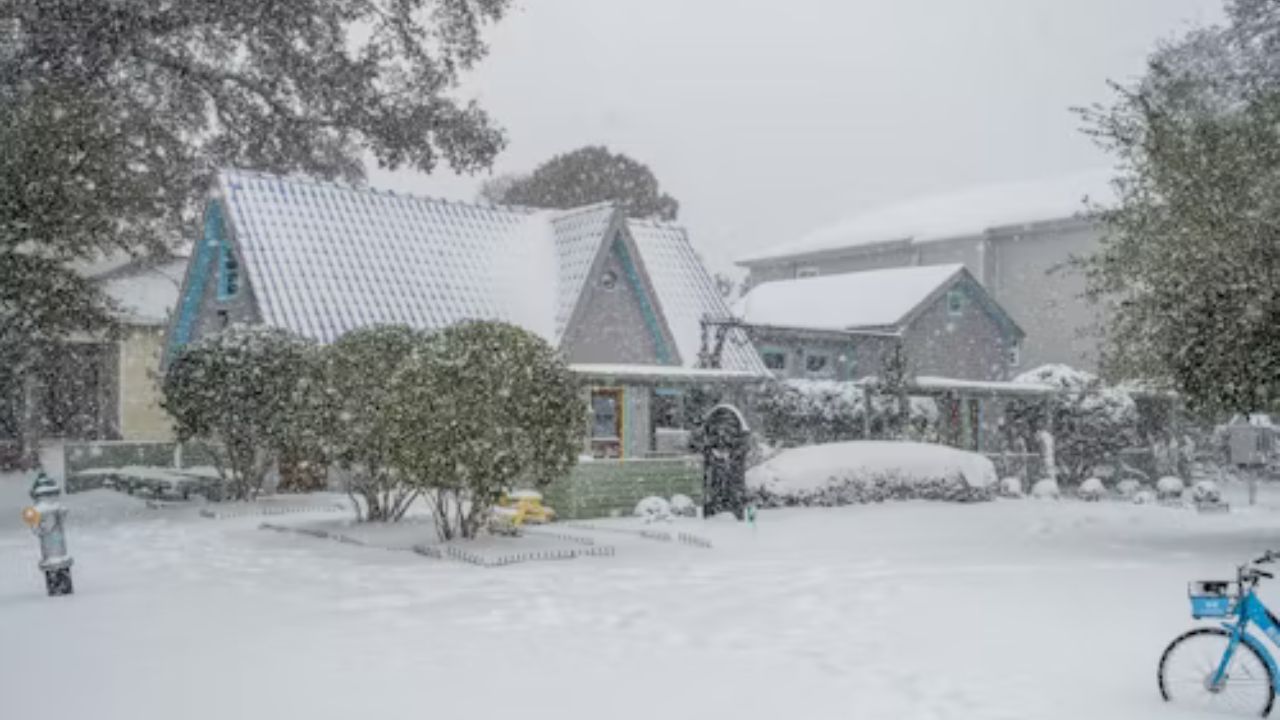

Even though winters in Louisiana are generally mild, the combination of moisture, temperature fluctuations, and heavy rainfall can cause significant wear on residential roofs. Understanding the seasonal risks helps homeowners take preventive measures before small issues lead to expensive damage.
Common Winter Roofing Challenges
One of the most frequent problems during the colder months is moisture infiltration. Persistent rain and occasional frost can weaken shingles, allowing water to seep into roof decking. Over time, this moisture can lead to rot, mold, or interior leaks.
Wind damage is another concern. Gusty winter storms can lift or crack shingles, particularly on older roofs. Once the protective layers are compromised, even light rainfall can trigger leaks that spread quickly through ceilings and walls.
Temperature swings also stress roofing materials. When the temperature drops at night and rises during the day, expansion and contraction occur. This movement can loosen fasteners and widen small cracks, accelerating deterioration.
Preventing Moisture and Leak Damage
Proper insulation and ventilation are key to managing temperature and moisture levels. An attic that traps warm air can cause condensation to form under the roof deck, increasing the risk of rot. Homeowners should ensure vents are clear and insulation is evenly distributed.
Gutters play a major role in directing water away from the roofline. Clogged gutters lead to standing water, which can back up under shingles or overflow onto siding. Cleaning gutters before and during winter prevents this source of damage.
Flashing around chimneys, skylights, and vents should also be inspected regularly. These areas often develop small gaps where water can enter. Resealing or replacing worn flashing early helps avoid more significant structural issues.
When to Consider Professional Inspection
While minor maintenance can be handled by homeowners, more complex evaluations are best performed by experienced professionals. A detailed inspection can identify signs of hidden leaks, missing shingles, or weakened roofing membranes that are not visible from the ground.
For larger properties or those with flat or low-slope roofs, specialized assessments such as commercial roof repair may be necessary. These inspections often involve checking drainage systems and verifying that waterproof coatings remain intact.
Addressing Roof Damage After a Storm
After strong winter storms, a quick visual survey from the ground can reveal immediate concerns like displaced shingles or fallen branches. Prompt action prevents minor damage from escalating into major structural problems.
Residents who experience recurring leaks or roof staining may require professional roofing repairs in Baton Rouge. Early repair work helps maintain energy efficiency and extends the overall lifespan of the roof.
Improving Roof Longevity Through Seasonal Maintenance
Consistent upkeep is the best defense against winter weather. Scheduling seasonal roof checks, clearing debris, and ensuring proper attic ventilation can dramatically reduce the likelihood of damage. Even in a mild climate, these small steps protect both the structure and the investment in the home.
By staying aware of winter roofing risks and taking preventive measures, homeowners reduce unexpected repair costs and keep their living spaces safe and dry throughout the season.


