








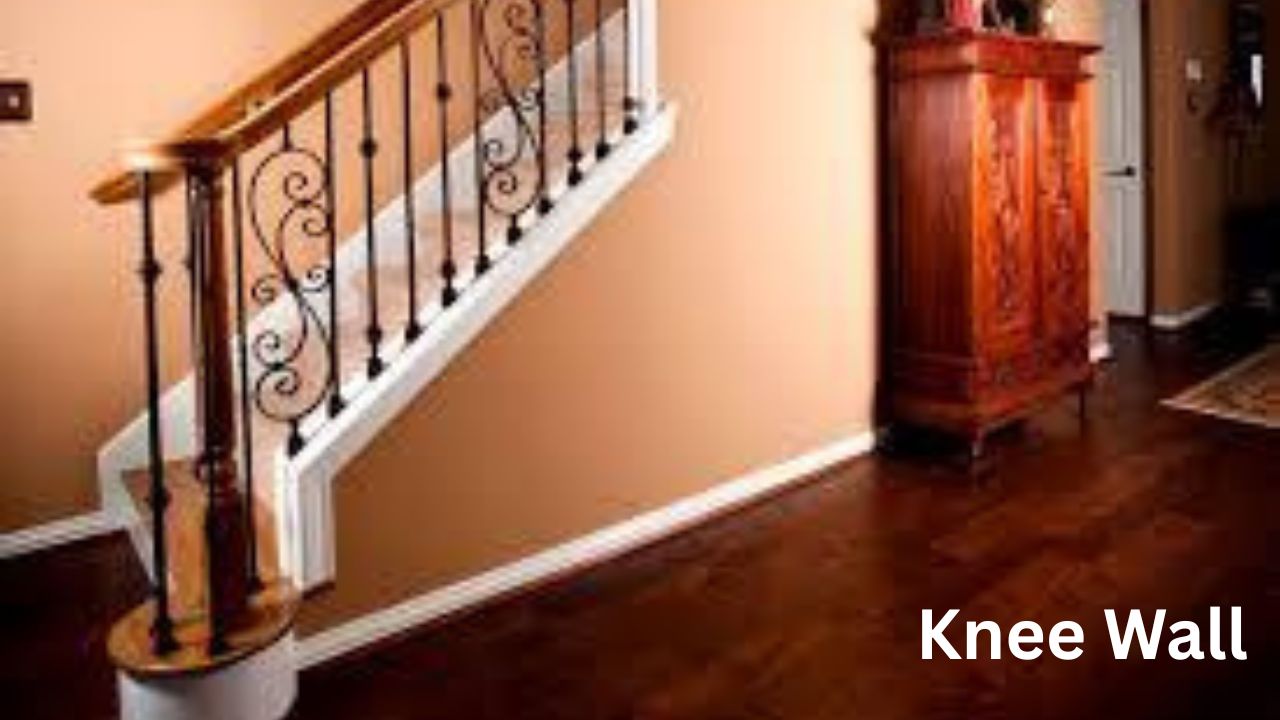

Imagine you walk into an attic room, a bonus room, or a cozy space under the roof. The walls aren’t tall like normal walls. They stop halfway and then the roof slopes down. That short wall is called a knee wall.
Now here’s the big question most homeowners never think about:
What’s hiding behind that knee wall?
That hidden space is exactly why a knee wall access door is so important.
What Is a Knee Wall (In Simple Words)?
A knee wall is a short wall that supports the roof and creates a usable room under it. You’ll often see knee walls in:
- Attics
- Finished lofts
- Bonus rooms
- Cape-style homes
Behind that wall is usually empty space, insulation, wiring, plumbing, or storage. But without a knee wall attic access door, that space becomes wasted, sealed off, and hard to reach.
That’s where knee wall access doors come in.
Why You Need Access Behind a Knee Wall
Let’s be honest—no one builds a home thinking,
“Wow, I hope this space is impossible to reach.”
Yet many homes are built without an access door for knee wall areas.
Here’s why that’s a problem:
- You can’t reach insulation
- You can’t fix wiring or pipes
- You can’t use storage space
- Cold air leaks into your room
- Energy bills go up
- Repairs become stressful
A properly placed access door for knee wall solves all of this.
It gives you control, comfort, and peace of mind.
What Is a Knee Wall Access Door?
A knee wall access door is a small door or panel built into the knee wall. It lets you open the wall and step—or crawl—into the hidden attic space behind it.
Some doors are simple.
Some are hidden.
Some are insulated for warmth.
A high-quality insulated knee wall access door keeps cold air out while still giving you easy access.
Why Homeowners Love Knee Wall Access Doors
Let’s talk about real-life benefits.
1. Easy Access When You Need It
Need to check insulation?
Fix a wire?
Store seasonal items?
A build knee wall access door solution makes that easy.
2. Warmer Rooms
Cold rooms under the roof are often caused by poor access sealing. A knee wall access door insulated properly stops drafts and keeps warmth inside.
3. Lower Energy Bills
Air leaks waste energy. An insulated knee wall attic access door helps keep your heating and cooling where it belongs—inside your home.
4. Smarter Storage
With the right knee wall access door ideas, hidden attic space becomes clean, usable storage.
Why Knee Wall Access Matters More Than You Think
Here’s something most people don’t realize:
That hidden space behind the knee wall directly affects how your room feels every single day.
Without a good knee wall attic access door, cold air slips in during winter. Hot air sneaks in during summer. Your room feels uncomfortable, no matter how high you turn the heater or AC.
This is why builders recommend building a knee wall access door that seals tightly and opens easily.
DIY or Professional? You Have Options
Many homeowners ask:
“Can I do this myself?”
The answer is yes.
A diy knee wall access door is possible if you enjoy hands-on projects. With the right tools and guidance, learning how to build a knee wall access door or how to make a knee wall access door can be a rewarding weekend project.
Others prefer store-bought solutions like:
- knee wall access door Home Depot
- knee wall access doors Lowes
- attic knee wall access door Lowes
These options save time and offer ready-made designs.
Store-Bought vs Custom Built
Some homeowners choose trusted brands like Marwin knee wall access doors, known for solid construction and insulation.
Others explore reviews like Sealin hatch insulated knee-wall attic access door reviews to compare performance and real-world feedback.
And some prefer building a door for knee wall access themselves to match their space exactly.
There’s no single “right” choice—only what works best for your home and comfort.
Building One Yourself: Why People Do It
Homeowners often choose custom builds because:
- Their wall size is unusual
- They want better insulation
- They want a hidden look
- They enjoy DIY projects
Learning how to make knee wall access doors gives you full control over size, style, and sealing.
Whether you build a knee-wall access door, build knee wall attic access door, or focus on building doors for knee wall access, the goal is the same: easy access without losing comfort.
Hidden Doors: A Smart and Stylish Choice
Some people want function and beauty.
That’s where a hidden knee wall access door shines.
It blends into the wall, disappears with paint or trim, and keeps your room looking clean. These designs are perfect for finished rooms where looks matter just as much as access.
Why This Matters for the Future
Here’s something homeowners rarely think about:
A home with smart access points is easier to maintain, cheaper to repair, and more valuable over time.
Whether you:
- create access door for knee wall storage
- Improve insulation
- Prepare for future upgrades
You’re investing in comfort and long-term peace.
How to Choose the Right Size and Placement for Your Knee Wall Access Door
Now that we’ve talked about types, materials, and insulation, it’s time to get practical: size and placement.
Choosing the right dimensions and position for your knee wall access door is key for easy access, comfort, and efficiency.
Why Size Matters
Think about trying to crawl through a tiny door. Frustrating, right?
That’s why knee wall access doors need to be big enough to reach the space comfortably, but not so big that they waste wall space or look awkward.
Here’s what to consider:
- Small doors – Good for occasional access or hidden panels, but might be tight for storage.
- Medium doors – Perfect for standard attic storage and maintenance.
- Large doors – Great if you plan to move big items, but may need extra insulation to prevent drafts.
Whether you build a knee wall access door yourself or buy one from knee wall access door Home Depot or knee wall access doors Lowes, size matters more than most people realize.
Standard Sizes for Reference
Most knee wall doors fall into these common ranges:
- Width: 18” to 36”
- Height: 24” to 36”
Premium brands like Marwin knee wall access doors often follow these standards, so replacement doors or store-bought options fit easily.
If you’re learning how to build a knee wall access door, measuring carefully ensures a snug fit and avoids gaps that let air escape.
Placement: Where to Put the Door
Placement is just as important as size.
You want your knee wall attic access door to be:
- Easy to reach – No stretching or bending awkwardly.
- Accessible for storage – Align with the main usable space behind the wall.
- Away from obstructions – Make sure pipes, wires, or HVAC ducts don’t block the door.
Many people make the mistake of putting a door in the wrong spot, only to realize later that it’s hard to use. That’s why planning ahead is key.
Hidden vs Visible Placement
Some homeowners prefer hidden doors for aesthetics.
With a hidden knee wall access door, placement also considers:
- Wall symmetry
- Paint and trim alignment
- Ease of opening without damaging finishes
Even hidden doors must be functional. A knee wall access door insulated that is hidden but hard to open defeats the purpose.
Tips for DIY Placement
If you’re making a diy knee wall access door, here’s a simple checklist:
- Measure the wall height and slope carefully
- Identify obstacles (wires, pipes, studs)
- Mark a rectangle that’s big enough for your hands and tools
- Make sure the door swings or lifts comfortably
Following these steps makes building or installing your knee wall access doors much easier and ensures long-term usability.
Door Swing and Access Considerations
Depending on your space, the door can:
- Hinge open – Standard, easy to use, works for most homes
- Lift-off panel – Ideal for tight spaces
- Sliding panel – Perfect for hidden designs
Choosing the right style affects both comfort and efficiency. Many homeowners combine size, placement, and door type to get the **perfect knee wall attic access door.
Real-Life Examples
- Small storage closets – Use a 24” x 24” hinged door. Works well for seasonal items.
- Medium attic storage – A 30” x 30” door gives enough room for boxes and easy crawling.
- Hidden doors in finished rooms – Use a panel that fits flush with the wall and swings or lifts easily.
Even when using Marwin knee wall access doors or following knee wall access door ideas, these principles apply.
Why Proper Sizing and Placement Saves Time
A well-placed, properly sized knee wall access door:
- Makes storage and maintenance easy
- Prevents frustration and injury
- Keeps insulation and air sealing intact
- Adds long-term convenience
Poor placement, on the other hand, can make even the best insulated door nearly useless.


