







Step into a time machine with me for a moment. Imagine warm colors, cozy textures, and a space that feels relaxed, creative, and full of personality. That’s the magic of a 70s bedroom. It’s not stiff. It’s not cold. It feels lived-in, loved, and full of soul.
But here’s the big question many people ask before decorating:
What actually makes a bedroom feel like the 1970s and not just “old” or “retro-ish”?
Let’s break it down in a way that’s simple, fun, and easy to picture—even if you’re completely new to retro design.
A 70s Bedroom Is All About Feeling, Not Perfection
A true 70s style bedroom isn’t about matching everything perfectly. It’s about feeling comfortable, expressive, and warm. Back in the 1970s, bedrooms were personal spaces where people relaxed, listened to music, dreamed big, and expressed who they were.
Unlike modern bedrooms that can feel a bit plain, 70s bedrooms were bold, emotional, and full of character.
A real 70s bedroom usually feels:
- Cozy instead of sleek
- Warm instead of bright white
- Creative instead of minimal
That’s why this style is making such a strong comeback today.
The Core Personality of a 70s Bedroom
Let’s talk about the heart of the look.
A 70s bedroom aesthetic is built around comfort and self-expression. It doesn’t shout. It hums. Everything works together to create a calm, happy vibe.
Here’s what truly defines it:
- Warm, earthy colors that feel safe and grounding
- Soft and textured materials you want to touch
- Furniture that feels low, relaxed, and sturdy
- Decor that tells a story, not just fills space
This is why people searching for 70s bedroom ideas often say they want a room that feels “homey” and “peaceful,” not fancy.
Colors That Instantly Say “1970s”
Color is one of the fastest ways to spot a 70s inspired bedroom.
The 70s loved colors pulled straight from nature. Think soil, leaves, sunshine, and sunsets.
Common colors you’ll see in a 70s decor bedroom include:
- Burnt orange
- Mustard yellow
- Avocado green
- Deep brown
- Warm beige
These shades make a room feel calm and safe. That’s why a 70s retro bedroom often feels cozy the second you walk in.
Unlike modern all-white rooms, a 70s bedroom design uses color to create emotion.
Furniture That Feels Relaxed and Grounded
Now let’s talk about 70s bedroom furniture, because this is a huge part of the look.
Furniture in the 1970s sat lower to the ground. Beds were closer to the floor. Chairs were soft and wide. Nothing felt stiff or sharp.
In many homes, people even bought matching furniture, often called a 70s bedroom set, which included:
- A low bed frame
- Matching nightstands
- A solid dresser
This made bedrooms feel calm and balanced, especially in a 70s master bedroom where comfort mattered most.
Texture Was a Big Deal in the 70s
If there’s one word the 70s loved, it’s texture.
A 70s aesthetic bedroom is full of things that feel soft, fuzzy, and warm:
- Thick rugs under your feet
- Cozy blankets on the bed
- Fabric wall hangings
This is why modern designers love creating an aesthetic 70s bedroom today—it feels comforting in a way flat, modern rooms don’t.
Texture helped bedrooms feel inviting, calm, and deeply personal.
Decor That Shows Personality and Freedom
The 1970s were about freedom, creativity, and self-expression—and bedroom decor reflected that.
A classic 70s bedroom decor style might include:
- Handmade wall art
- Personal photos
- Music posters
Yes, 70s bedroom posters were a huge deal. People proudly displayed bands, movies, and artwork they loved. Bedrooms felt like a reflection of the person living in them.
This is why 70s bedroom inspiration today often focuses on mixing art, plants, and personal items.
Boho, Hippie, and Free-Spirited Vibes
Many people connect the 70s with bohemian and hippie styles—and they’re right.
A 70s boho bedroom often includes:
- Natural fabrics
- Plants everywhere
- Relaxed, layered decor
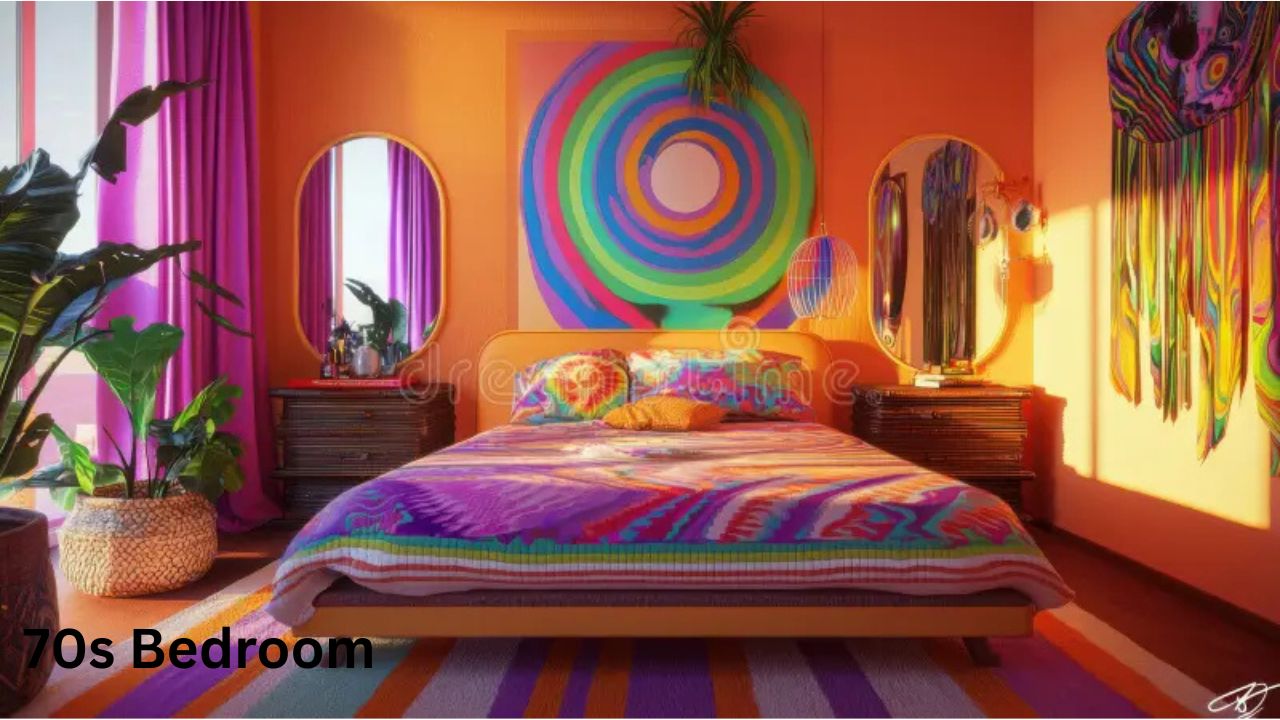
Meanwhile, a 70s hippie bedroom leans more toward bold patterns, colorful fabrics, and artistic touches.
Both styles fall beautifully under 70s inspired bedroom decor, and both celebrate comfort over perfection.
Why the 70s Bedroom Is Trending Again
You might be wondering—why do people still love this style?
The answer is simple: it feels good.
In a busy, digital world, many people crave spaces that feel warm and human. A 70s inspired bedroom offers:
- Comfort after long days
- A sense of calm
- Emotional warmth
That’s why you’ll see so much 70s bedroom inspo online right now. People want rooms that feel safe, personal, and full of life.
70s Interior Design, Bedroom Edition
When we talk about 70s interior design bedroom style, we’re really talking about balance.
It’s not about copying the past exactly. It’s about capturing the feeling.
A true 70s bedroom decor ideas approach:
- Mixes warmth with creativity
- Blends comfort with style
- Feels relaxed, not staged
That’s what separates a real retro room from one that just looks themed.
How a 70s Bedroom Feels (Not Just How It Looks)
Close your eyes and imagine stepping into a perfect 70s bedroom.
You notice:
- Soft lighting
- Warm colors
- Cozy textures
- A calm, peaceful mood
That emotional response is the secret. A great 70s bedroom design doesn’t just look good—it makes you feel at home.
That’s why designers still pull from 70s bedroom inspiration when creating modern spaces today.
The Heart of the 70s Bedroom Style
To sum it up, a true 70s style bedroom is defined by:
- Warm, earthy colors
- Comfortable, low-profile furniture
- Textures you can feel
- Decor with meaning
- A relaxed, human vibe
Whether you’re dreaming of a cozy 70s master bedroom, a playful 70s retro bedroom, or a calm aesthetic 70s bedroom, the foundation is always the same: comfort, creativity, and warmth.
70s Bedroom Ideas for Different Age Groups
One of the best things about a 70s bedroom aesthetic is its versatility. This style isn’t just for adults or retro enthusiasts—it can be adapted for kids, teens, and adults alike. By adjusting colors, patterns, and decor elements, you can create a space that feels age-appropriate while still capturing that classic 70s vibe.
Let’s explore how to style a 70s bedroom for different age groups.
1. 70s Bedroom Ideas for Kids
Kids’ bedrooms should feel fun, safe, and playful, while still incorporating the signature 70s charm.
Key elements for a 70s kids’ bedroom:
- Bright, earthy colors: Mustard yellow, burnt orange, or avocado green can be softened with cream or pastel accents.
- Patterned bedding: Geometric shapes or playful retro prints work perfectly.
- Low furniture: Kid-friendly platform beds and small storage units keep the room safe and practical.
- Wall decor: Fun posters, wall decals, or framed retro artwork make the space personal.
- Textiles & rugs: Shag rugs or textured blankets make the room cozy for playtime.
Tip: Keep patterns and colors balanced. Too many bold prints can overwhelm a young child, so pair bright 70s colors with neutrals for a calm, comfortable space.
2. 70s Bedroom Ideas for Teens
Teen bedrooms are all about self-expression, creativity, and individuality. This is the age where a 70s retro bedroom can shine with bold colors, patterns, and personal touches.
Teen-friendly 70s elements include:
- Bold accent walls: Geometric or psychedelic wallpaper can make a statement.
- Mixing textures: Layered bedding, shag rugs, and velvet cushions create depth.
- Functional furniture: Low beds, storage-friendly dressers, and desk areas for study or hobbies.
- Posters and wall art: Music, movies, or band posters give the room personality.
- Boho touches: Macramé hangings, potted plants, or woven baskets for a relaxed, creative vibe.
Tip: Teens love personal expression. Let them choose patterns, posters, and color accents that reflect their personality while keeping the 70s bedroom aesthetic intact.
3. 70s Bedroom Ideas for Adults
For adults, a 70s master bedroom focuses on comfort, warmth, and sophistication. While it can be playful, the adult version often leans more on earthy tones and elegant textures.
Essential adult 70s elements:
- Warm color palette: Burnt orange, mustard, deep brown, olive green, and beige.
- Low, cozy furniture: Platform beds, wide dressers, and simple nightstands.
- Textural layering: Velvet or knitted throws, shag rugs, and soft curtains for comfort.
- Minimal patterns: Geometric or subtle psychedelic accents on walls, rugs, or cushions.
- Personal decor: Vintage finds, sunburst mirrors, houseplants, and meaningful wall art.
Tip: Adults can balance bold 70s colors with neutrals to keep the room calm and restful. This approach is perfect for creating a 70s aesthetic bedroom that feels cozy yet stylish.
4. Multi-Functional 70s Bedrooms
Some bedrooms serve multiple purposes: study, lounge, or sleep. In these spaces, 70s bedroom design can still shine by:
- Using low, versatile furniture (like benches or platform beds with storage)
- Layering rugs and textiles to define zones
- Adding lighting that’s both functional and warm
- Incorporating small decor pieces that bring the 70s vibe without clutter
This makes your bedroom feel cohesive, personal, and functional—just like the original 70s intent.
Key Tips for All Age Groups
- Start with color: Adjust boldness based on age—softer shades for kids, vibrant accents for teens, earthy tones for adults.
- Keep furniture functional: Low-profile, solid pieces work for everyone.
- Use texture and patterns wisely: Layer for warmth, but don’t overwhelm smaller spaces.
- Add personal touches: Posters, plants, and small decor items make the room feel lived-in.
- Balance old and new: Mix vintage 70s pieces with modern touches for longevity and style.
Why 70s Bedrooms Work for Everyone
No matter the age, a 70s bedroom is about comfort, personality, and warmth. The style adapts beautifully to kids, teens, and adults because its foundation—earthy colors, cozy textures, and expressive decor—appeals to everyone.
Whether it’s a playful 70s kids’ bedroom, a bold and creative 70s teen bedroom, or a cozy and stylish 70s master bedroom, the magic lies in layering color, texture, and personality while keeping the space welcoming and functional.


