








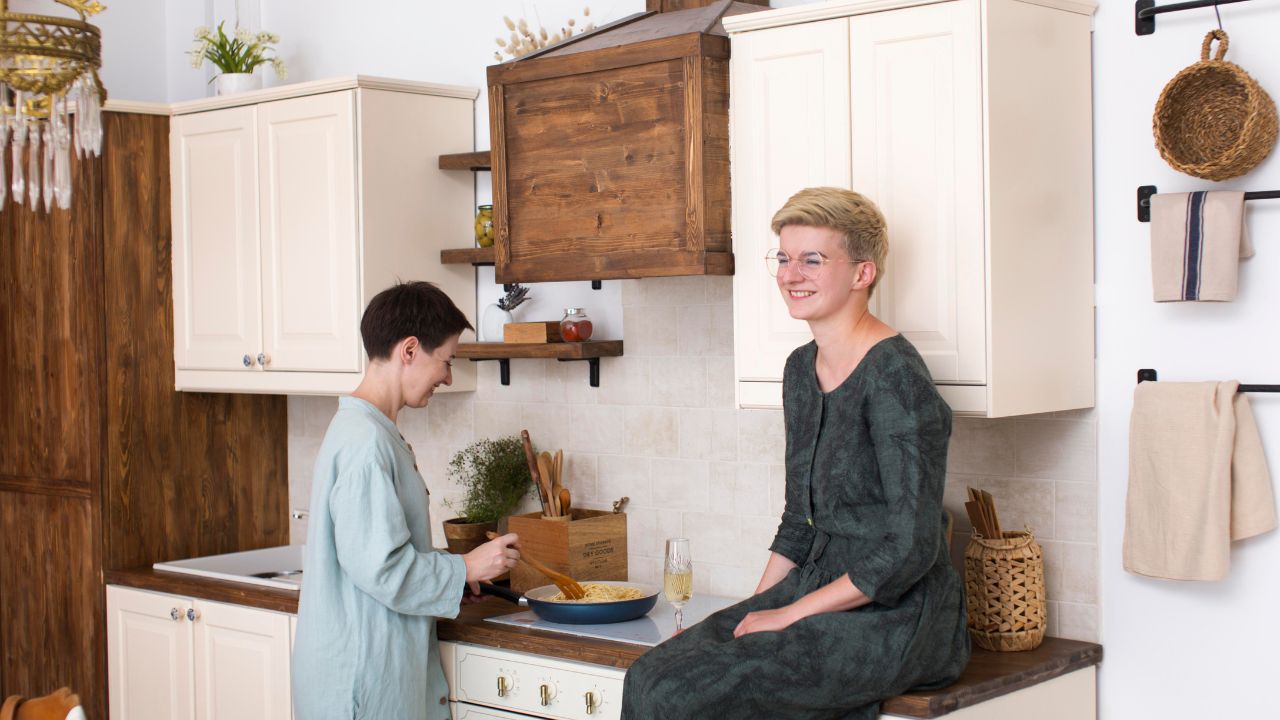

Designing a small kitchen can be a rewarding challenge. With thoughtful planning and creative solutions, even compact spaces can feel open, efficient, and stylish. The key is to focus on function, flow, and clever use of available space.
Maximizing Every Inch of Space
When square footage is limited, every inch counts. Start by evaluating how you use your kitchen daily. Prioritize storage and counter space in areas that support your cooking habits. A fairfax kitchen remodel often begins with a careful assessment of what can be improved through smart design choices.
Vertical storage is one of the most effective ways to expand a small kitchen. Tall cabinets or open shelving make use of wall space while keeping essentials within reach. Hooks for utensils and rails for pots can keep countertops clear and organized.
Choosing the Right Layout
The right layout can dramatically improve both the look and feel of a small kitchen. Compact designs benefit from streamlined floor plans that reduce unnecessary movement. Popular options include galley, L-shaped, and single-wall layouts, each offering unique advantages.
- Galley layout: Ideal for narrow rooms, this setup places counters and appliances on opposite walls for efficient workflow.
- L-shaped layout: Provides flexibility and open access to adjoining areas, making the room feel larger.
- Single-wall layout: Keeps everything in one line, perfect for apartments or studio spaces.
Smart Storage Solutions
Storage plays a vital role in keeping a small kitchen functional. Pull-out pantry drawers, corner carousels, and under-sink organizers maximize hidden areas. Using light colors and consistent finishes can also make storage feel less bulky and more cohesive.
Consider mixing closed cabinets with open shelving to balance practicality and aesthetics. Transparent containers and labeled jars keep ingredients visible while maintaining order. Each design choice should make daily tasks simpler and more enjoyable.
Lighting and Color Strategies
Lighting has a huge impact on the perception of space. Layered lighting, including task, ambient, and accent lights, adds depth and warmth. Under-cabinet lighting can brighten work areas without overwhelming the room.
Color also influences how spacious a kitchen feels. Light hues reflect natural light, while subtle contrasts define different zones. Combining neutral tones with small pops of color gives a lively yet balanced appearance.
Integrating Modern Features
Modern compact kitchens often incorporate smart design features. Multi-purpose furniture, such as extendable tables or foldaway counters, can adapt to different needs. Hidden appliances and integrated storage help maintain a clean, uncluttered look.
Energy-efficient appliances and durable materials make a small kitchen both eco-friendly and long-lasting. These upgrades contribute to a space that feels modern and well thought out.
Planning for a Functional Transformation
Before starting any renovation, it helps to visualize how each change will improve daily use. Small adjustments, like repositioning lighting or changing cabinet handles, can transform the overall feel. Thoughtful planning ensures the end result suits both lifestyle and budget.
Professional designers often emphasize balance between style and function. Whether you’re optimizing an existing layout or exploring a complete redesign, an effective kitchen remodeling project focuses on creating harmony in a limited space.
With careful organization and design insight, even the smallest kitchens can achieve big results, combining efficiency, beauty, and comfort in one cohesive space.


