








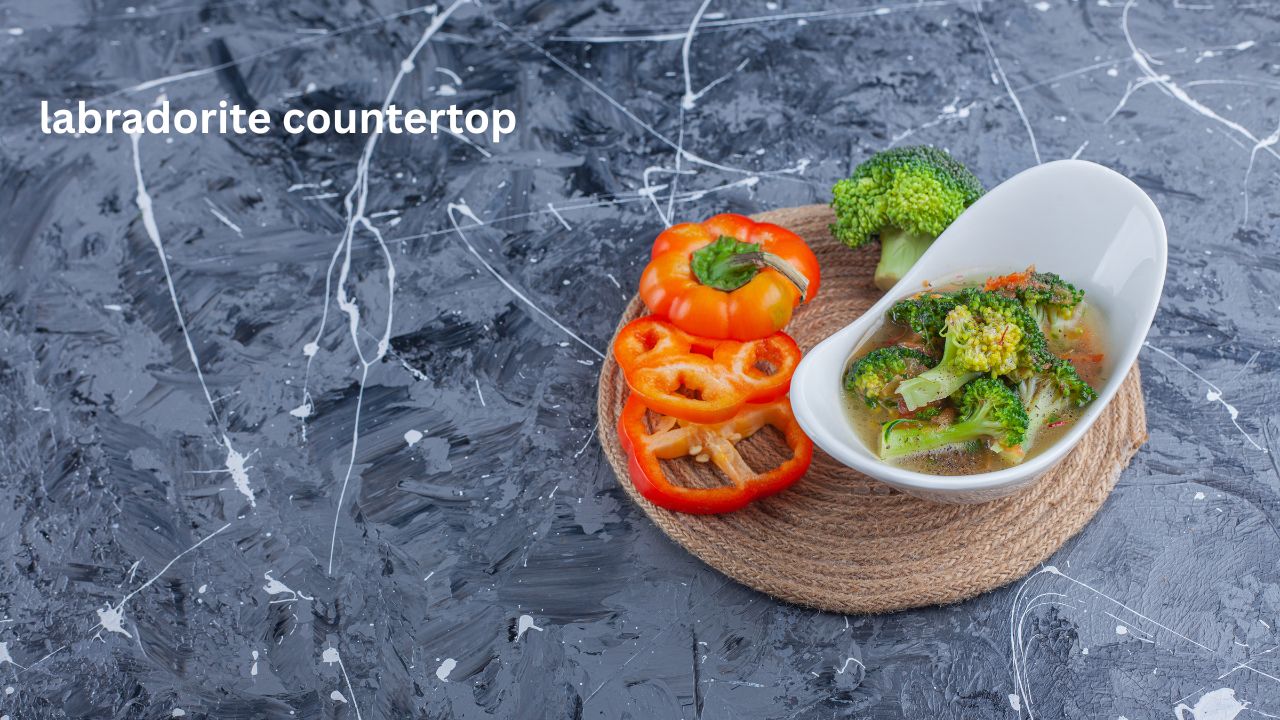

Imagine walking into a kitchen and seeing a surface that looks like it has tiny flashes of blue, green, and gold glowing inside it. Almost like magic trapped in stone. That’s the feeling many people get the first time they see a labradorite countertop.
So, what exactly is it? Let’s break it down in the simplest way possible.
A Simple Definition
A labradorite countertop is a countertop made from a natural stone called labradorite. This stone is famous for its shiny color flashes that seem to move when light hits it. These flashes can be blue, green, gold, or even silver.
When people install labradorite countertops, they are choosing something bold, rare, and full of personality. This isn’t a plain surface you forget about. It becomes the star of the room.
Many homeowners choose a labradorite kitchen countertop when they want their kitchen to feel special, artistic, and a little luxurious.
Why Labradorite Looks So Different
Here’s where the magic happens.
Labradorite has a natural glow inside it. This glow is called color flash. When light hits the stone, the colors come alive. One step to the left and it looks blue. One step to the right and suddenly it’s green or gold.
That’s why no two labradorite countertops ever look the same. Each slab is one of a kind.
You’ll often see:
- A blue labradorite countertop with deep ocean-like flashes
- A green labradorite countertop that feels earthy and calm
- A bold black labradorite countertop with bright colors hiding underneath
This natural surprise factor is what makes people fall in love with it.
Is Labradorite the Same as Granite?
This is a very common question, so let’s clear it up.
Some sellers call labradorite “granite,” which is why you may hear names like labradorite granite countertops or blue labradorite granite countertops. While labradorite is sometimes sold under the granite category in stone yards, it is actually its own unique stone.
What matters most for you as a homeowner isn’t the label. What matters is:
- How it looks
- How it performs
- How much care it needs
And in all three areas, labradorite countertops stand out in a big way.
Why People Choose Labradorite Countertops
People don’t choose labradorite because it’s ordinary. They choose it because it makes them feel something.
Here’s why homeowners love it:
- It feels special – You won’t see it in every house
- It looks alive – The colors move with light
- It feels luxurious – It instantly upgrades a space
- It starts conversations – Guests always notice it
A labradorite kitchen countertop doesn’t just sit there quietly. It shines, it reflects, and it brings emotion into the room.
Different Types of Labradorite Countertops
Not all labradorite looks the same. Let’s look at the most popular options in a simple way.
Blue Labradorite
A blue labradorite countertop is the most popular choice. The blue flashes are bright and dramatic, especially under kitchen lights.
Many designers love using blue labradorite countertops for kitchen islands because they instantly draw attention.
Green Labradorite
A green labradorite countertop has a softer, more natural feel. It works beautifully in calm kitchens or bathrooms where you want a peaceful vibe.
Black Labradorite
A black labradorite countertop looks dark at first glance, but once light hits it, hidden colors jump out. It’s perfect for modern or luxury homes.
Moonstone Labradorite
Some people look for a moonstone labradorite countertop, which has lighter tones and a softer glow. This option feels dreamy and elegant, almost like moonlight trapped in stone.
Where Labradorite Is Used in Homes
Even though it’s famous for kitchens, labradorite can be used in many places.
Most commonly, people install:
- A labradorite kitchen countertop
- Kitchen islands
- Bathroom vanities
- Bar tops
- Accent counters
Because labradorite countertops are so eye-catching, many homeowners use them as a feature rather than covering every surface.
Let’s Talk About Cost (In a Simple Way)
Now comes the big question everyone asks.
How much are labradorite countertops?
The honest answer is: they are not cheap. But there’s a reason for that.
The labradorite countertop cost depends on several things:
- The size of your countertop
- The color and quality of the slab
- The thickness of the stone
- Installation work
On average, the labradorite countertop price is higher than standard granite or quartz.
You might hear people talk about the cost of labradorite countertop projects ranging from mid-range luxury to very high-end luxury. This stone is usually chosen by people who care more about beauty and uniqueness than saving money.
When asking how much are labradorite countertops, it’s best to think of it as an investment in style rather than just a surface.
Why the Price Is Higher
Let’s keep this simple.
The cost of labradorite countertop is higher because:
- The stone is rare
- Each slab is unique
- Cutting and installing it requires skill
- Transportation can be expensive
That’s why the labradorite countertop cost is often higher than everyday materials.
But for many homeowners, the emotional value makes it worth it.
Is Labradorite a Good Choice for Kitchens?
Yes, but with understanding.
A labradorite kitchen countertop is strong enough for daily use when cared for properly. It can handle normal kitchen activities like:
- Cooking
- Light heat
- Regular cleaning
However, because it’s a natural stone, it does need respect. That’s something we’ll talk about in later sections.
For now, know this: people who choose labradorite countertops usually love them deeply and don’t regret the decision.
The Emotional Side of Choosing Labradorite
Here’s something competitors rarely talk about.
People don’t choose a labradorite countertop only with logic. They choose it with their heart.
It makes them feel:
- Proud of their home
- Excited to cook and entertain
- Confident in their design choices
A blue labradorite countertop can feel bold and powerful.
A green labradorite countertop can feel calm and grounding.
A black labradorite countertop can feel dramatic and elegant.
That emotional connection is something you can’t measure with numbers.
Maintenance and Care for Labradorite Countertops
Congratulations! You’ve picked your labradorite countertop, chosen the color, style, and had it professionally installed. Now comes the part that keeps it looking magical for years: maintenance and care.
Don’t worry—it’s simpler than you think. Think of it as giving your countertop a little love every day. In return, it will continue to dazzle everyone who walks into your kitchen or bathroom.
1. Sealing Your Labradorite Countertop
The first step in caring for a labradorite countertop is sealing.
Sealing:
- Protects the stone from spills and stains
- Enhances the stone’s natural color and shine
- Helps your countertop last longer
Most professionals recommend sealing labradorite countertops at installation and reapplying every 12 months.
Pro tip: A blue labradorite countertop or black labradorite countertop will show the brilliance even more after sealing.
2. Cleaning Your Labradorite Countertop
Keeping your labradorite kitchen countertop clean is easy if you follow a few simple rules:
- Use mild soap and warm water for daily cleaning
- Avoid harsh chemicals, bleach, or ammonia
- Wipe up spills immediately, especially acidic liquids like lemon juice or vinegar
Following these steps ensures that your labradorite countertops continue to shine without dulling the color flashes.
3. Preventing Scratches and Chips
Even though labradorite is strong, it can scratch or chip if mishandled.
Tips for protection:
- Use cutting boards instead of cutting directly on the countertop
- Avoid dropping heavy pots or utensils
- Use trivets or heat pads under hot pans
This is especially important for moonstone labradorite countertops and green labradorite countertops, which are lighter in tone and can show marks more easily.
4. Avoiding Heat Damage
A labradorite countertop is heat-resistant, but sudden extreme temperatures can cause cracks.
- Don’t place hot pans directly on the surface
- Always use trivets or mats
- Avoid heating directly over seams or edges
With a little caution, your labradorite countertop will stay flawless for years.
5. Handling Stains
Accidents happen. Even the most careful homeowner may spill wine, coffee, or oils.
To treat stains on labradorite countertops:
- Wipe the spill immediately
- Use a soft cloth with mild dish soap
- For tougher stains, a paste of baking soda and water works well—apply gently
Regular sealing reduces the chance of permanent stains and keeps your labradorite countertop cost worth every penny.
6. Polishing for Extra Shine
Over time, a labradorite countertop may lose a bit of its natural glow. Polishing brings it back to life.
- Use a non-abrasive polishing product made for natural stone
- Wipe in circular motions
- Avoid harsh scrubbers that can scratch
Even a blue labradorite granite countertop can sparkle like new with proper polishing.
7. Annual Professional Maintenance
Many homeowners like to schedule annual professional maintenance.
This includes:
- Deep cleaning
- Re-sealing
- Minor repairs if needed
Investing in a small annual check keeps your labradorite kitchen countertop looking luxurious for decades.
8. Long-Term Durability
If you take care of it properly, labradorite countertops are extremely durable.
- They resist normal kitchen wear
- They stay beautiful under daily use
- They maintain their value and appeal
Many homeowners report that their labradorite countertop price was worth every penny when they see it still dazzling 10–15 years later.
9. Emotional Value of Caring for Your Stone
Here’s the secret: caring for your labradorite countertop is not a chore—it’s part of the joy.
When you wipe it down, see it gleam, and watch its colors shift in the light, it reminds you:
- You made a smart choice
- You invested in beauty and quality
- Your home feels special every day
Even small daily habits turn into big emotional rewards.
10. Quick Maintenance Checklist
For a simple routine:
- Daily: Wipe with mild soap and water
- Weekly: Inspect for spills or stains
- Monthly: Check the seal, polish if needed
- Yearly: Professional cleaning and re-sealing
This keeps all types of labradorite countertops—black, blue, green, moonstone—looking amazing.


