






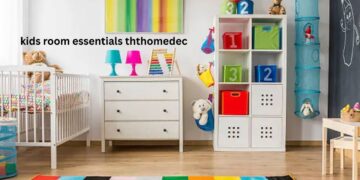


Creating a perfect space for your child isn’t just about picking a cute bed or colorful walls. It’s about crafting a room where your little one feels safe, happy, and inspired every single day. When it comes to kids room essentials ththomedec, there’s so much more than just furniture. We’re talking about a thoughtful combination of comfort, functionality, style, and personality.
You might be wondering, “Do I really need a list of essentials, or can I just wing it?” Well, here’s the thing: a well-planned room sets the tone for your child’s learning, play, and sleep. It’s not just decoration—it’s about creating a space that grows with your child, keeps them safe, and sparks creativity. That’s why this guide to kids room essentials ththomedec is your ultimate companion. By the time you finish reading, you’ll have a clear roadmap to design, organize, and personalize your child’s dream room.
1. The Heart of a Kids Room: Comfort and Sleep
First and foremost, your child’s bed is the center of their world. Sleep is crucial for growth, mood, and energy, so a cozy bed is non-negotiable. When choosing a bed as part of your kids room essentials ththomedec, think about comfort, durability, and safety. For toddlers, low beds or cribs work best, while older children might enjoy a loft bed with built-in storage.
Adding soft bedding, colorful sheets, and maybe a fun blanket with their favorite characters can make bedtime feel like an adventure. Imagine your child looking forward to sleep because their bed is not just comfortable but also part of a room they love. That’s the magic of kids room essentials ththomedec—it’s about combining function with joy.
2. Storage: Making Organization Fun
Any parent knows that kids come with a lot of stuff—toys, books, clothes, and all sorts of treasures. That’s why storage is a top priority in your kids room essentials ththomedec checklist. Think beyond ordinary shelves: color-coded bins, under-bed drawers, cubbies, and wall-mounted organizers make tidying up easy and even fun.
Teaching kids to organize their belongings is a lifelong skill. By having clearly labeled bins or baskets, they can learn to put away toys after playtime, making cleanup a game rather than a chore. Storage in your kids room essentials ththomedec should be both functional and accessible, meaning your child can reach their items without climbing or struggling.
3. Lighting: Bright, Soft, and Safe
Lighting is often overlooked, but it’s a critical part of kids room essentials ththomedec. Proper lighting doesn’t just help them see; it affects their mood, focus, and even sleep. You need a mix of ambient, task, and night lighting.
- Ambient lighting creates a warm, inviting glow for everyday activities.
- Task lighting is perfect for study or creative projects.
- Night lights give reassurance during bedtime, preventing scary shadows.
Choosing safe, child-friendly lighting fixtures ensures there are no loose cords or bulbs within reach. A thoughtfully lit room is a room where your child feels calm, inspired, and safe—all core principles of kids room essentials ththomedec.
4. Play Areas: Space to Explore and Imagine
Every child needs room to move, explore, and get creative. A dedicated play zone is a must-have in kids room essentials ththomedec. It doesn’t need to be huge; even a corner with a soft rug, a few toys, and a little table can become a magical space.
Play areas encourage imagination, problem-solving, and social interaction. Including a small bookshelf or activity table can make reading and crafting easy. By designing a play zone as part of your kids room essentials ththomedec, you are giving your child freedom to explore safely.
5. Study and Learning Zones
Even young children benefit from having a dedicated study or homework area. A simple desk with good lighting, storage for books and stationery, and a comfortable chair fosters focus and good study habits. This is another core component of kids room essentials ththomedec, blending learning and functionality seamlessly.
The key is to make it inviting. Add colorful organizers, motivational wall art, or a small bulletin board. When children have a space that feels theirs, it encourages independence and responsibility—two huge wins for any parent.
6. Personalization: Making the Room Their Own
Nothing makes a room special like personal touches. Personalization is a big part of kids room essentials ththomedec. Think wall decals, framed artwork, favorite colors, or even a small display for their achievements.
Children feel proud and connected to their space when they see elements that reflect their personality, hobbies, and style. Personalization also allows flexibility as your child grows. You can switch themes or decor items without a full overhaul, keeping the room fresh and exciting year after year.
7. Safety First: Protecting Your Child
A room can be stylish and fun, but safety always comes first. Kids room essentials ththomedec should prioritize secure furniture, rounded edges, non-toxic paints, and safe electrical setups.
- Anchor tall furniture to walls
- Keep cords and small objects out of reach
- Use corner protectors on desks or tables
- Ensure rugs are slip-resistant
By incorporating these safety measures, you create a peace-of-mind environment where children can play, learn, and sleep without hazards.
8. Color, Texture, and Atmosphere
Colors and textures play a huge role in how a child experiences their room. Bright, cheerful colors can stimulate creativity, while soft, muted shades help with calm and focus. Soft rugs, cozy cushions, and layered bedding add comfort and tactile variety.
In your kids room essentials ththomedec, think about how colors and textures influence mood and energy levels. Mixing patterns and textures carefully can turn an ordinary room into a magical, multi-sensory experience for your child.
9. Furniture Choices Beyond Basics
Selecting furniture is more than just picking a bed or desk. Consider multi-functional furniture like storage beds, convertible desks, or stackable chairs. These pieces save space, adapt as your child grows, and enhance the efficiency of your kids room essentials ththomedec.
Even small details, like choosing ergonomic chairs or adjustable tables, show that you value comfort and long-term usability, making the room both stylish and practical.
10. Emotional Benefits of a Well-Designed Room
At the heart of every room are feelings. A well-designed space contributes to your child’s confidence, independence, and happiness. A thoughtfully planned list of kids room essentials ththomedec doesn’t just organize the physical space—it nurtures emotional growth.
When a child sees their toys neatly organized, their study corner ready, and their personal style reflected on the walls, they feel pride, ownership, and joy. A room becomes more than just a bedroom; it’s a safe haven, creative workshop, and personal playground.
Conclusion
Planning and designing a child’s room is an adventure, but with kids room essentials ththomedec, it becomes manageable, fun, and truly impactful. From comfort and storage to play, study, safety, and personal style, every element plays a role in creating a space that your child will love, thrive in, and grow with.
By focusing on these essentials, you’re not just decorating a room—you’re crafting a childhood experience filled with safety, inspiration, and joy.
Storage, Organization, and Play Zones – Maximizing Space and Fun
A child’s room can quickly become a whirlwind of toys, books, clothes, and little treasures. That’s why smart storage and organization are key parts of kids room essentials ththomedec. Without thoughtful planning, a room can feel cluttered, chaotic, or stressful—both for kids and parents. But when you design spaces with storage, play, and organization in mind, the room becomes a sanctuary of creativity, learning, and fun.
In this section, we’ll explore how to combine functionality and style to create a well-organized, playful, and inspiring kids room. Whether you have a cozy nook or a spacious bedroom, these tips will help you master kids room essentials ththomedec.
1. Smart Storage Solutions
When planning storage, think about accessibility, safety, and versatility. Kids need to reach their toys, books, and supplies without getting frustrated. That’s why storage is one of the most important aspects of kids room essentials ththomedec.
Popular storage options include:
- Cubbies and shelves: Perfect for books, bins, and small toys.
- Under-bed drawers: A great way to use space efficiently.
- Stackable bins and baskets: Color-coded bins make organizing fun and teach kids to put things away.
- Wall-mounted shelves: Keep items visible but out of the way of little feet.
The trick is to mix open and closed storage. Open shelves let kids see their toys and books, encouraging independent play. Closed storage hides clutter, keeping the room neat and serene. Smart storage is a foundational part of kids room essentials ththomedec, blending function and visual appeal.
2. Organizing Toys and Play Items
Toys are the heart of a kid’s room, but they can quickly take over the space. To manage them, organize by category, size, or usage. For example:
- Large toys: Keep them in corner bins or baskets.
- Small toys: Use divided storage trays or labeled containers.
- Frequently used toys: Place them within easy reach.
- Seasonal or less-used toys: Store in under-bed drawers or higher shelves.
Teaching kids to put away toys isn’t just about cleanliness—it encourages responsibility and independence. By incorporating organized zones into your kids room essentials ththomedec, you’re creating a space where children learn life skills while enjoying playtime.
3. Clothing and Wardrobe Organization
Clothes can easily become a mess in a child’s room. Good wardrobe planning is another core piece of kids room essentials ththomedec. Here’s how to keep things manageable:
- Use labeled drawers for shirts, pants, socks, and pajamas.
- Install low-hanging rods so kids can reach their own clothes.
- Fold seasonal clothes into storage boxes under the bed.
- Rotate clothing based on season to reduce clutter.
An organized wardrobe saves time, reduces frustration, and gives your child a sense of ownership and responsibility—key aspects of kids room essentials ththomedec.
4. Study & Creative Zones: Organized Learning Spaces
A dedicated study area is crucial, even for young kids. By combining organization with play and creativity, you make sure that learning is fun, accessible, and stress-free.
Tips for a study/creative zone:
- Desk with drawers: Keep stationery, notebooks, and art supplies in labeled drawers.
- Bulletin boards or wall organizers: Encourage creativity and display achievements.
- Task lighting: Make sure the desk area has bright, safe lighting.
- Seating: Comfortable, adjustable chairs improve posture and focus.
Integrating a study space into your kids room essentials ththomedec encourages kids to love learning and helps parents stay organized. When study zones are tidy and well-equipped, children feel motivated and confident.
5. Play Zones: Dedicated Spaces for Fun
Every child needs a safe, well-thought-out area to play. Play zones are an essential part of kids room essentials ththomedec. They don’t need to be huge—just functional, safe, and fun.
Creating a play area:
- Use rugs or mats to define the space and add comfort.
- Include toy bins nearby for easy cleanup.
- Incorporate multi-functional furniture, like benches with storage underneath.
- Create zones for different activities—reading corner, puzzle area, art table.
Play areas encourage imagination, problem-solving, and social skills. By planning your play zones thoughtfully as part of kids room essentials ththomedec, you’re giving your child freedom to explore in a safe and stimulating environment.
6. Combining Play and Storage
The magic of kids room essentials ththomedec is in combining play and storage seamlessly. A room where toys, books, and art supplies are organized and accessible is one where kids can play independently, explore creatively, and learn to tidy up.
Consider multi-functional storage items like:
- Toy chests that double as seating
- Shelving units that serve as display and storage
- Stackable boxes for puzzles and craft supplies
This dual-purpose approach keeps the room neat while promoting independent play and organization skills.
7. Safety in Storage and Play Areas
Safety is always a top priority. Every element of your kids room essentials ththomedec should prevent accidents and ensure a safe environment.
Safety tips:
- Anchor tall furniture to walls to prevent tipping.
- Avoid sharp edges on shelves or tables; use corner protectors.
- Keep small toys or objects out of reach of toddlers.
- Use slip-resistant rugs in play areas.
When safety is built into storage and play areas, you create a peaceful, stress-free space for both kids and parents.
8. Maximizing Small Spaces
Even a small room can have organized storage and fun play areas. Smart design is a big part of kids room essentials ththomedec.
Space-saving ideas:
- Loft beds with desks or play areas underneath
- Foldable tables or chairs for temporary use
- Wall-mounted shelves to free floor space
- Under-bed drawers or rolling bins
By maximizing vertical space and using clever storage solutions, small rooms can feel open, airy, and fun, giving kids room to grow and explore.
9. Encouraging Responsibility Through Organization
Organization in a child’s room isn’t just for aesthetics—it teaches responsibility and independence. When kids have clearly defined storage areas and play zones, they learn to:
- Put toys away after playing
- Organize their books and art supplies
- Maintain their study area
These life lessons are part of the core philosophy behind kids room essentials ththomedec, helping children grow in confidence and self-reliance.
10. Emotional Benefits of a Well-Organized Room
An organized room reduces stress, promotes focus, and encourages creativity. Children thrive in a space where everything has its place, and they can access toys, books, and art supplies easily.
By integrating smart storage, organized study areas, and dedicated play zones into your kids room essentials ththomedec, you’re creating an environment that boosts emotional well-being, inspires creativity, and makes daily life easier for both kids and parents.
Conclusion
Storage, organization, and play zones are not just practical—they’re essential for a happy, healthy, and creative childhood. By carefully planning your kids room essentials ththomedec, you can transform even the smallest room into a space that is organized, functional, safe, and fun.
With the right combination of smart storage, playful zones, and organized study areas, your child will enjoy a room where learning, creativity, and imagination thrive, all while keeping the space tidy and stress-free for parents.


