








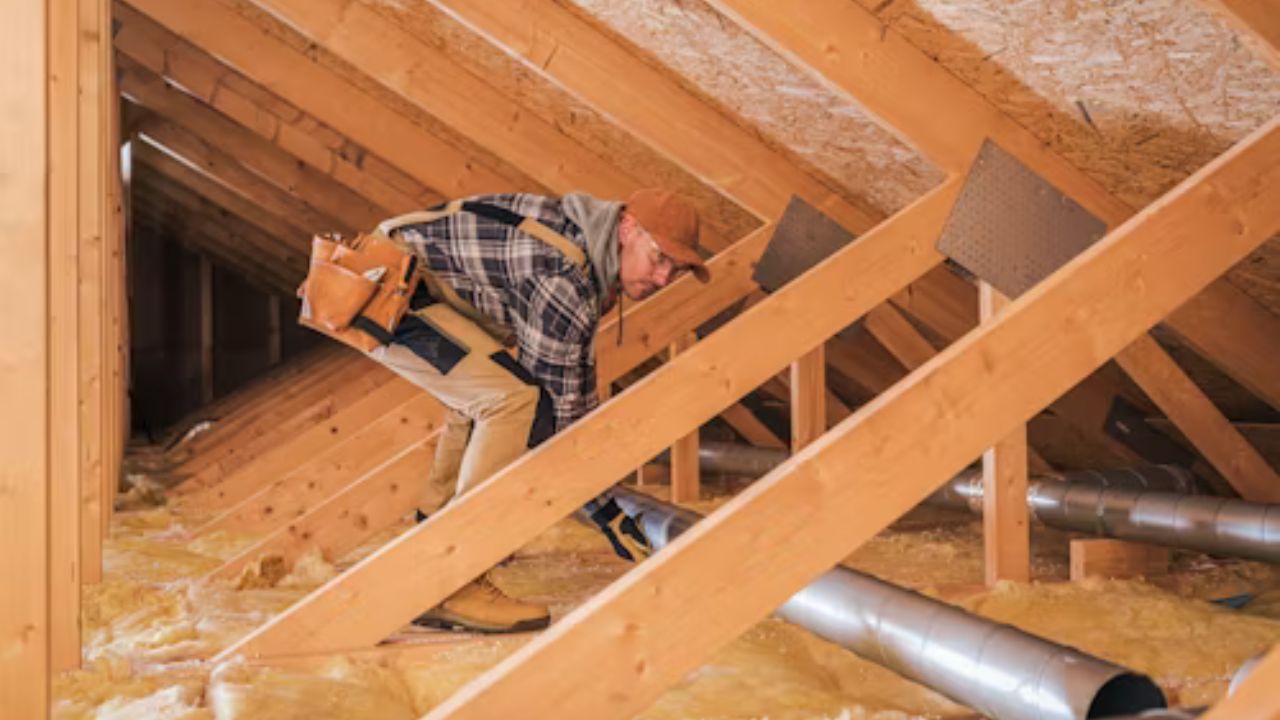

Cold winters can bring unique challenges to homeowners, especially when it comes to managing attic temperature and moisture. One of the most common winter problems is the formation of ice dams, which can cause roof damage, leaks, and higher heating costs. A well-planned attic insulation top-up can be a practical solution to reduce these risks.
Understanding Ice Dams and Their Causes
Ice dams form when warm air from the living space escapes into the attic, melting snow on the roof. As the melted water flows down to the colder roof edges, it refreezes and creates a ridge of ice. This ice barrier traps water behind it, often forcing it under shingles and into the home.
Poor insulation and ventilation are the main reasons this happens. When an attic lacks proper insulation, heat loss becomes uneven, leading to temperature differences across the roof surface. The more consistent the attic temperature, the less likely ice dams will form.
The Role of Attic Insulation Top-Ups
An attic insulation top-up adds a new layer of insulation over existing material to reach recommended levels. This approach improves thermal resistance, helping maintain a uniform temperature in the attic. By reducing heat transfer, the snow on the roof stays frozen, preventing melt and refreeze cycles that create ice dams.
Homeowners in colder regions often find that adding insulation is one of the most cost-effective ways to enhance comfort and energy efficiency. Properly installed materials also reduce strain on heating systems, resulting in steady indoor warmth during extreme temperatures.
Benefits of a Professional Assessment
Before adding new material, a professional inspection helps determine the current insulation level and identify damaged or compacted areas. In some cases, old or damp material must be cleared out before adding new layers. Safe and complete insulation removal ensures the attic remains dry and free of contaminants.
Professionals also check for air leaks, ventilation blockages, and vapor barriers. Addressing these issues creates a balanced system that keeps the attic cold and dry while maintaining comfortable indoor temperatures.
Choosing the Right Insulation Materials
Different materials perform better under specific conditions. Loose-fill cellulose, fiberglass batts, and spray-applied foam each offer advantages depending on attic design and budget. The goal is to achieve the recommended R-value for the region while ensuring even coverage across all areas, including corners and tight spaces.
Some homeowners choose to combine materials for improved performance. For example, a base layer of fiberglass may be topped with cellulose for added density and moisture control.
Long-Term Energy and Maintenance Benefits
Beyond preventing ice dams, top-ups contribute to lasting energy savings. When an attic is properly insulated, heating systems operate more efficiently, and indoor comfort becomes easier to maintain. Homeowners often notice fewer drafts and more consistent room temperatures throughout winter.
Regular inspections can help keep insulation in good condition. Over time, settling or moisture exposure may reduce effectiveness, so periodic checks ensure the system continues to perform at its best.
Integrating Top-Ups into Home Improvement Plans
Adding insulation is a simple upgrade that complements other energy-efficiency measures such as sealing air gaps and improving ventilation. Together, these steps help reduce utility costs and protect the building structure from damage caused by seasonal temperature swings.
For homeowners looking to improve energy performance and comfort, exploring ottawa insulation options can provide valuable insight into the most effective solutions for local conditions. With proper installation and maintenance, attic insulation top-ups offer reliable protection against ice dams and long-term benefits for the entire home.


