








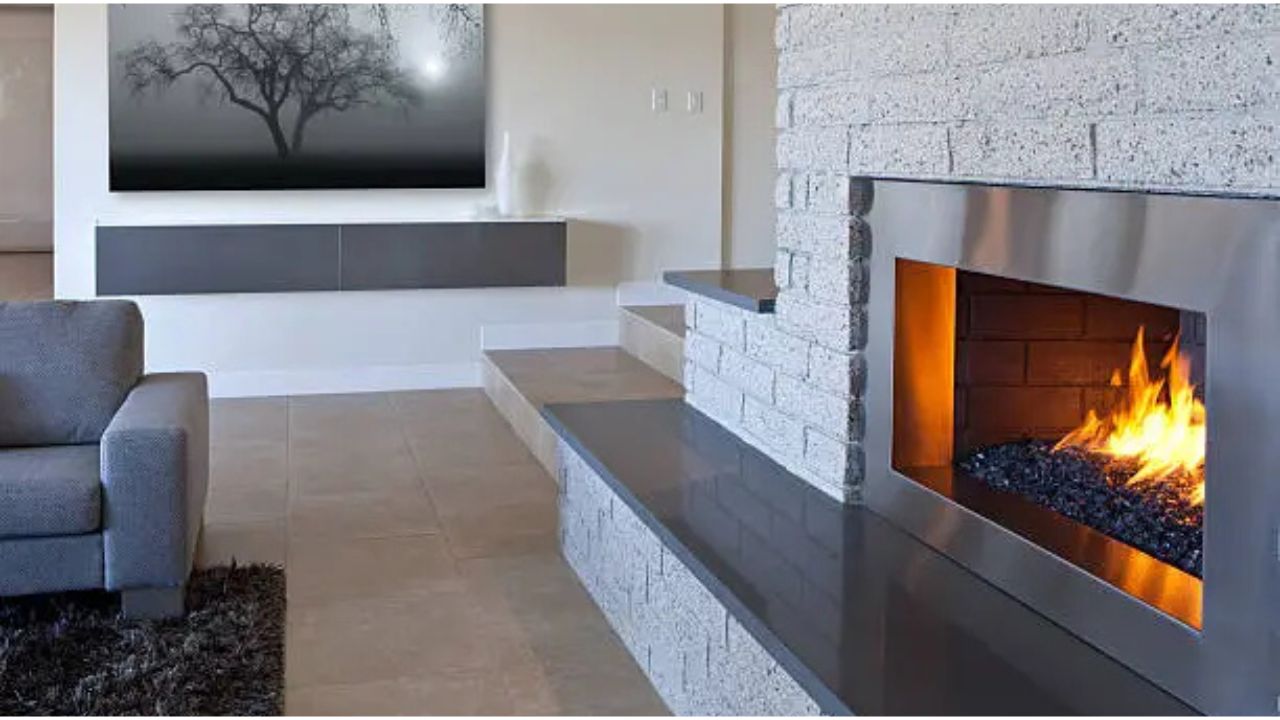

A well-designed hearth enhances both the safety and aesthetic of a living space. Choosing the right material can influence the durability, maintenance, and overall style of the fireplace. Among the many choices available, granite remains a popular option, but other stones also offer unique qualities worth exploring.
Understanding the Role of the Hearth
The hearth forms the base of the fireplace, providing a heat-resistant surface that protects the floor and surrounding area. It also serves as a key visual feature, setting the tone for the entire room. Whether modern or traditional, the choice of stone can transform the fireplace into a focal point.
Why Homeowners Choose Granite
Granite offers a combination of durability, heat resistance, and timeless appeal. A granite hearth slab can withstand high temperatures without cracking or fading, making it an ideal choice for both wood-burning and gas fireplaces. Its natural patterns and range of colors allow for a versatile design that complements many interiors.
In addition to strength, granite is relatively easy to maintain. Regular cleaning with a mild detergent and occasional sealing can keep it looking polished for years. The polished surface also resists soot and ash buildup, which simplifies upkeep.
Comparing Granite with Other Natural Stones
While granite is a strong contender, other stones offer distinct characteristics that may suit different preferences. Each type of stone varies in appearance, texture, and maintenance needs.
Marble
Marble brings a sophisticated, smooth finish that enhances elegant interiors. However, it is softer than granite and more prone to staining or scratching. Regular sealing is essential to preserve its beauty near a working fire.
Slate
Slate provides a rustic, natural look with a textured surface that contrasts beautifully with modern or country-style rooms. It is durable but can flake over time if not properly maintained. Its darker tones often help conceal soot marks.
Limestone
Limestone offers a warm, neutral palette and a softer touch. It suits decorative fireplaces or low-heat environments. Since it is more porous, it requires careful sealing and gentle cleaning to prevent discoloration.
Sandstone
Sandstone’s granular texture and earthy colors bring a natural charm to any setting. It is less dense than granite, so it may wear faster under high heat. Still, for decorative hearths, it creates a welcoming atmosphere.
Design and Installation Considerations
When selecting a hearth material, it is important to consider the fireplace type, room style, and level of use. The hearth should balance functionality with aesthetics. Some homeowners prefer a smooth, polished finish, while others favor a more textured appearance.
Thickness and edge detail also influence the final look. A thicker slab adds a sense of solidity, while beveled or rounded edges create a refined finish. Proper installation ensures the hearth remains stable and safe during use.
Maintenance and Longevity
All natural stones benefit from periodic care. Cleaning away ash and soot prevents surface damage, and resealing helps maintain color and resistance to heat. Granite typically requires less frequent attention, which contributes to its long-term value.
Choosing the Right Stone for Your Fireplace
The decision between granite and other stones often depends on balancing durability, appearance, and maintenance. A polished fireplace hearth can elevate the entire room, regardless of the stone chosen. Granite remains a reliable and attractive option, but exploring alternatives ensures the final design suits both lifestyle and taste.


