








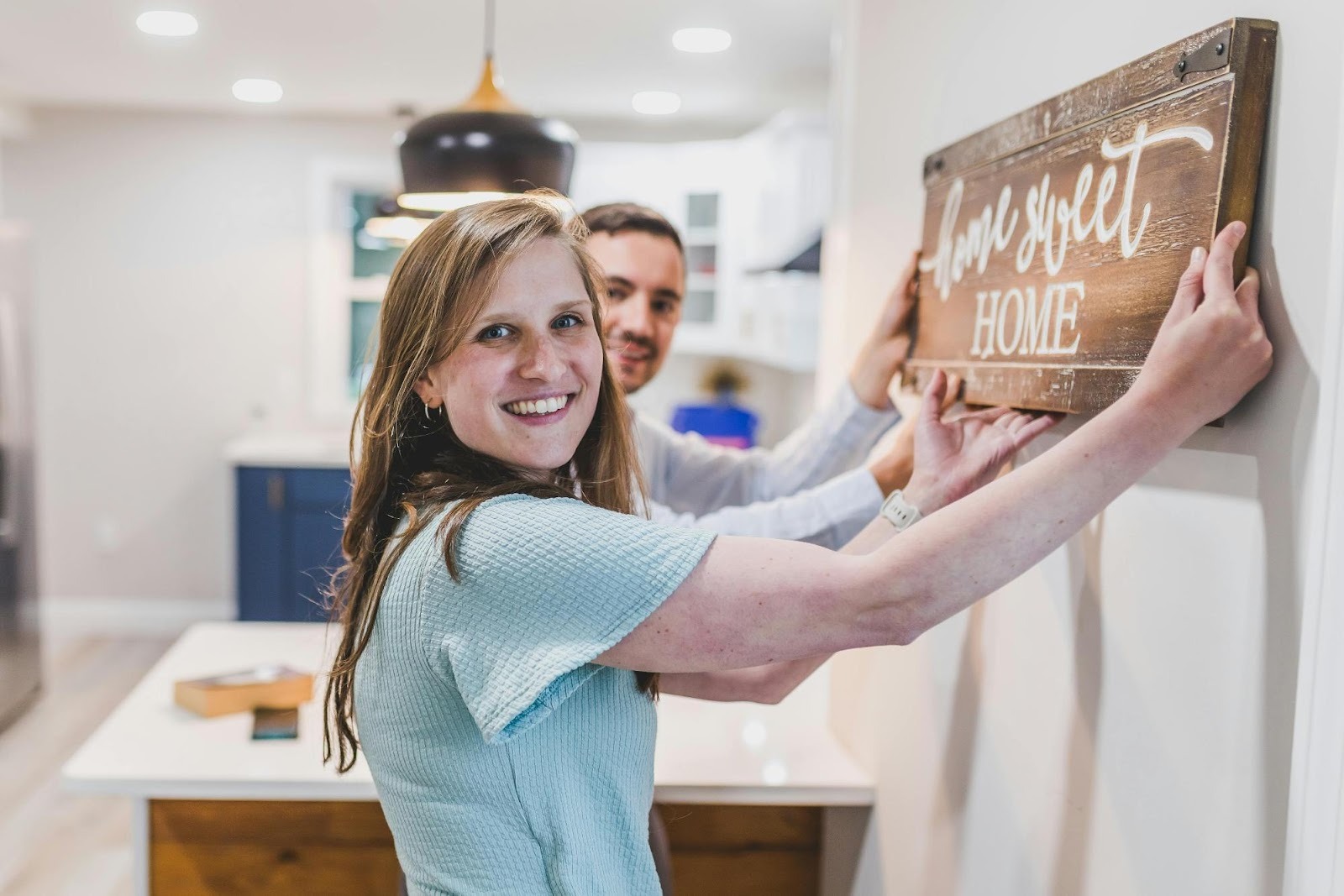

Your home has become more than just a place to sleep at night. It’s a sanctuary, a wellness hub, and a reset button all wrapped into one. People are learning that the environment they live in has a direct impact on how they think, feel, and function on a daily basis. A cluttered home can cloud the mind, while an intentional home can create direction, stability, and peace.
That’s why so many adults across the country are leaning into small but meaningful lifestyle trends that transform the living experience from the inside out. These aren’t the dramatic home renovations that require a contractor, a full demo, and six months of dust. They are shifts in how you organize, decorate, interact with, and optimize your home—changes that genuinely support mental, emotional, and even physical well-being.
What’s most interesting about modern home trends is that they are less about aesthetics and more about how your home makes you feel. People are becoming more intuitive about what brings them calm, what makes them feel energized, and what supports the routines they care about most. Trends that center around functionality, comfort, and personal wellness are emerging everywhere, and they’re surprisingly practical.
Whether you’re seeking calmness in your living room, more joy in your kitchen, or better flow in your daily routines, embracing these trends can significantly elevate your overall quality of life. Most of these changes don’t require a big budget—just a thoughtful approach to using your space with intention.
Multifunctional Spaces
Multifunctional living is one of the fastest-growing home trends, and it has everything to do with relieving stress. People now expect their spaces to seamlessly transition between work, relaxation, cooking, and connection. A single room may double as a home office, a stretching zone, or a creative nook depending on the day. This flexibility creates a sense of control, which directly enhances emotional well-being.
One reason multifunctional spaces feel so supportive is that they streamline daily flow. When your environment adapts to your needs, you spend less time rearranging, hunting for items, or feeling mentally cluttered. Instead of forcing your lifestyle to fit your home, your home quietly works in the background to make everyday tasks smoother.
Even small tweaks, like using a bookshelf as a room divider or choosing a fold-down desk, can dramatically improve how spacious and organized a home feels. Another benefit is the freedom multifunctional spaces provide for personal change. As your goals evolve, you can shift your space without needing a full renovation.
Nature-Inspired Design
Nature-inspired interiors continue to dominate for a reason. Humans feel calmer when their environment mimics the natural world. Earthy tones, soft textures, and natural materials like wood and stone have become staples in homes because they reduce sensory overload and help regulate mood. People are increasingly choosing colors like sage green, warm beige, terracotta, and muted blues to create a grounding, peaceful atmosphere.
Beyond color, homeowners are incorporating biophilic elements like plants, natural light, indoor water features, and organic shapes. Studies show that even a small houseplant can reduce stress, improve focus, and create a sense of vitality in a room. More people are also opening their windows daily, swapping harsh lighting for warm, diffused bulbs, and choosing décor that brings a sense of flow rather than rigidity.
This trend improves well-being because it combats overstimulation. In a world full of noise, screens, and speed, being surrounded by nature helps the mind reset. When your home feels like a sanctuary, your thoughts quiet down, your breathing deepens, and your energy feels steadier. Nature-inspired design can beautify a space and bring emotional clarity.
Elevated Kitchen Functionality
The kitchen has always been the heart of the home, but today it’s also a wellness hub. People are cooking more, hosting more, and using the kitchen as a place to connect and decompress. The modern shift is about improving functionality, ease, and flow so the space supports healthier habits without adding stress.
One of the most popular shifts is reorganizing the kitchen to make daily tasks smoother. People are decluttering countertops, rearranging cabinets by frequency of use, and creating designated zones for meal prep, cooking, and storage. Even small changes can make cooking feel less overwhelming. This creates an environment where healthier eating becomes the natural choice rather than a chore.
Another micro-trend is upgrading high-touch surfaces to be more durable and wipe-friendly. This includes everything from easy-clean backsplashes to replacing or restyling your kitchen island countertop surfaces, which has become a centerpiece for both aesthetics and functionality. Whether you’re chopping vegetables, chatting with guests, or simply setting down groceries, the island is the kitchen’s command center. A simple upgrade can make the entire kitchen feel more efficient, inviting, and aligned with the way you actually live.
Cozy Minimalism
Minimalism has evolved beyond the stark, ultra-white aesthetic of the past. Today’s version—cozy minimalism—combines the clarity of decluttering with the warmth of comforting textures and personal touches. The result is a space that feels tidy but lived-in, organized but not sterile. This resonates with people who want emotional calm without sacrificing the softness and depth that make a home feel like home.
Cozy minimalism enhances well-being because it reduces the mental load of clutter. Visual chaos can subtly exhaust your brain, creating stress you may not notice until it’s gone. You create breathing room by simplifying what’s on display and being intentional about what earns a place in your home. People who adopt this style report feeling more focused, peaceful, and emotionally regulated.
But the “cozy” part is what makes the trend especially sustainable. Instead of eliminating personal items, it elevates them: a favorite mug, a cherished blanket, a couple of meaningful photos. These warm elements counterbalance the clean surfaces and open space, creating a comforting environment that supports relaxation and self-care.
Smart Home Features
Smart home technology continues to rise in popularity because it genuinely improves everyday life. People are using automated lighting, voice-activated assistants, and app-controlled home systems to streamline routines and reduce decision fatigue. When your home takes care of certain tasks automatically, it frees up mental space for more meaningful parts of your day.
One of the most impactful aspects of smart home integration is the ability to create predictable rhythms. Automated morning lighting helps with waking up gently, while scheduled thermostat adjustments keep the home comfortable without constant manual tweaks. Even simple additions like smart plugs or motion-activated night lights make life smoother by reducing friction and effort.
Smart features also remove stress by offering greater safety and peace of mind. From doorbell cameras to leak detectors, modern tools give people a sense of security, whether they’re home or away. When your home quietly handles the background tasks of life, you’re better able to focus on your goals, relationships, and personal well-being.
Final Thoughts
Improving well-being at home isn’t about chasing trends—it’s about choosing enhancements that make your life feel calmer, lighter, and more aligned with your values. The five trends above reflect a growing desire to live with intention, to create spaces that support daily routines, and to surround ourselves with elements that nurture our minds and bodies. Whether you start with reorganizing a single corner or upgrading a frequently used surface, the impact can ripple through your entire life.
A well-designed home doesn’t have to be perfect. It simply has to work for you. And when your environment supports your habits, comforts you on the hard days, and reflects who you’re becoming, it becomes a true partner in your well-being. You deserve that kind of harmony, and it’s possible to create it one thoughtful choice at a time.


