








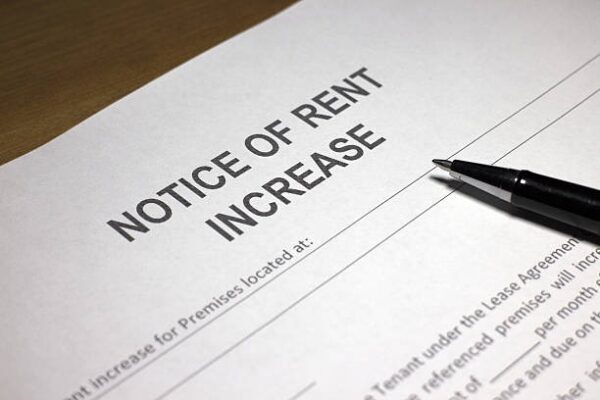

Picture this: You’ve finally settled into your new routine in your apartment. Commuting is a breeze, your kids’ school is close by, and you love sitting in the corner window of the local cafe when you need an escape. Then you suddenly get a rent increase notice, and it’s like the life you’ve settled in is about to become beyond your means or a distant dream.
With the start of a new year around the corner, it’s common for landlords to hike up their rental prices. However, if you’re a good tenant, you have a lot more leverage than you think and can even ask for a reduction. Negotiating rent with your landlord should be easy as long as you prepare with the necessary documentation.
Understanding Your Leverage as a Tenant
Compare Local Rental Rates
Stay up to date on the latest market trends so you can make an informed argument. You’ll be surprised how often landlords just raise the rent because it’s standard procedure, and not really because they need the extra cash for maintenance. As a result, knowing what apartments like yours are worth on sites like Zillow or Apartments.com can give you an edge. You can use that information from such sites to argue for a reduction if your property owner is trying to charge above average. Also, consult a professional rental property management company in Washington DC to get accurate data on the current rental market rates.
Lease Timing
Remember that what you negotiate is also as important as what you say. For example, if a landlord slaps you with a rent increase notice in the middle of winter, you can make it work to your favor, knowing that demand typically hits its lowest points during this period. If your lease is up for renewal between October and February, when prospective tenants are far between, your landlord may be left with an empty unit if you leave. At the end of the day, it costs more money for them to have an empty unit than to reduce the increment and have you live there.
Having a Good Tenant History
Another thing you can use as leverage is your history as a good tenant. Finding a new renter will always be a gamble, no matter how thorough the background check is, and the last thing any landlord wants is to entrust their investment with someone who neglects it or doesn’t pay rent. If you have a pattern of paying on time, causing minimal damage, and not receiving noise complaints, you can sell yourself as the ideal tenant. Most landlords would rather go with a sure bet, you, than gamble it on a new tenant that could ruin their business.
How to Prepare for Negotiations?

Understand the Limits
Before you start arguing for a rent decrease, it’s essential to get a rough estimate of the numbers. There’s a certain figure your landlord can’t go below because it represents their overhead costs, which include fees such as property taxes, insurance, and sometimes utilities. This means if their taxes just spiked, they may have less room to move on the price since it’s a non-negotiable expense. As a result, it’s more realistic to ask for a 5 to 10% reduction in the increment, as appealing for 25% off will most likely get you dismissed.
Propose Alternative Options
Be flexible enough to pivot when your property owner isn’t yielding. If your landlord claims their hands are tied when it comes to a rent increment, you need to look for another point where they’re willing to make a concession. For instance, you can offer to sign an extended 18 to 24-month lease in exchange for a lower rate. It might also mean a smaller rental income for them, but it removes the risk and expense of vacancy for a year or more. Besides money, you can also ask for other perks such as free parking, waiving your pet fees, or upgraded appliances. If you have a good relationship with your landlord, they’ll most likely be willing to make a compromise to keep you in their rental.
Highlight Reduction Benefits on Both Sides
Sell your proposal as a win-win for both parties. When negotiating rent, some tenants make the mistake of presenting their request as a demand that can make your landlord less willing to cooperate. However, if you frame it as a profitable decision for them, they’re more likely to get on board. There are also several angles for you to pick from. For starters, remind them that if the unit sits empty while they look for a new tenant, they lose money. Not to mention the money they can save on marketing or cleaning fees between renters.
Conclusion
Negotiating your rent can seem scary, but it’s really not when you have the right information. If you understand the local market, including what comparative rates are and how seasons affect demand in your area, you’ll gain more leverage. With that, you can negotiate with more tact because you understand your landlord’s limits or pivot to other alternatives when necessary. Also, remember that you’re a proven tenant, and they’re not losing money by reducing your rent; they’re buying certainty.


