








• Home
  • Inspiration
  • DIY
  • Decor
  • Design
  • Furniture
  • Contact Us
  • Home Write for Us
Friday, December 26, 2025
Bi level House
  • Home
  • Inspiration
    5 Things to Know Before Installing a Diesel Heater in a Vehicle

    5 Things to Know Before Installing a Diesel Heater in a Vehicle

  • DIY
  • Decor
    Natural Texture Meets Bold Style: Grasscloth & Animal Wallpaper Ideas

    Natural Texture Meets Bold Style: Grasscloth & Animal Wallpaper Ideas

  • Design
  • Furniture
  • Contact Us
  • Home Write for Us
No Result
View All Result
  • Home
  • Inspiration
    5 Things to Know Before Installing a Diesel Heater in a Vehicle

    5 Things to Know Before Installing a Diesel Heater in a Vehicle

  • DIY
  • Decor
    Natural Texture Meets Bold Style: Grasscloth & Animal Wallpaper Ideas

    Natural Texture Meets Bold Style: Grasscloth & Animal Wallpaper Ideas

  • Design
  • Furniture
  • Contact Us
  • Home Write for Us
No Result
View All Result
Bi level House
No Result
View All Result
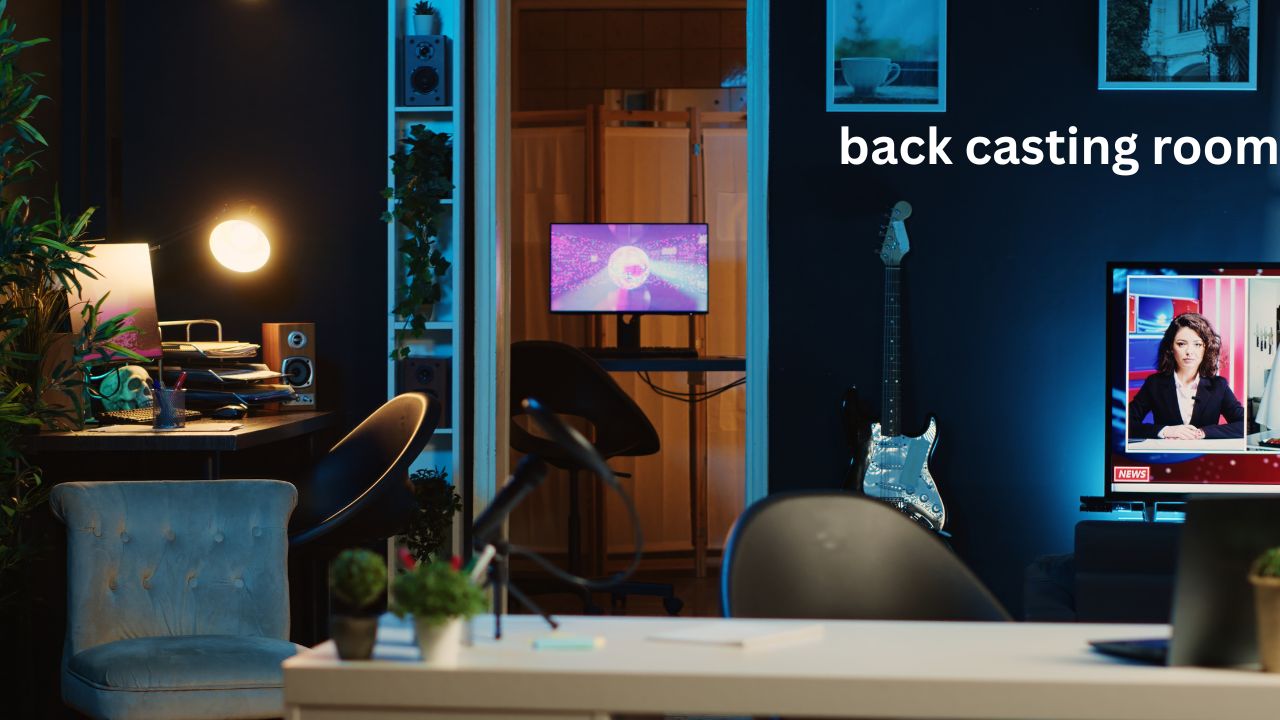
back casting room

Back Casting Room Explained: Meaning, Process, and Why Planning Backward Works

bilevelhouse by bilevelhouse
December 15, 2025
0

You already know where you want to be 5, 10, or even 20 years from now. You can see it clearly—success, growth, comfort, or change. Now instead of guessing how to get there, you start from that future and gently walk backward, step by step, until you reach today.

That powerful way of thinking is the heart of a back casting room.

A back casting room is not just a room with chairs and tables. It is a special space where people plan the future by starting at the end goal, not the beginning. It helps teams, families, designers, and businesses stop guessing and start planning with purpose.

And the best part?
You don’t need to be an expert, a scientist, or a big company owner to understand it.

Let’s break it down in the simplest way possible.

A Simple Way to Understand a Back Casting Room

Think of planning like drawing a treasure map.

Most people start where they are and say,
“Let’s walk and see what happens.”

A back casting room works the opposite way.

You first say:
“Here is the treasure.”
“Now let’s draw the path backward so we don’t get lost.”

That’s it.

A back casting room is a place where people:

  1. Pick a clear future goal
  2. Imagine what success looks like
  3. Walk backward step by step
  4. Create a clear plan for today

This method removes confusion, fear, and wasted effort.

Why People Are Talking About Back Casting Rooms So Much

In today’s fast world, guessing does not work well anymore.

Plans fail because:

  • The future feels unclear
  • People react instead of plan
  • Teams move without direction
  • Decisions feel rushed

A back casting room solves this by slowing things down and giving clarity.

People love it because it:

  • Makes big goals feel smaller
  • Turns dreams into steps
  • Helps everyone agree on the same vision
  • Reduces stress and confusion

That is why you now see a back casting room used in:

  • Businesses
  • Design teams
  • Schools
  • Planning workshops
  • Creative spaces

Is a Back Casting Room a Real Room or Just an Idea?

Great question—and this is where many people get confused.

A back casting room can be two things:

1. A Way of Thinking

This is the mindset.
You imagine the future first, then plan backward.

2. A Physical or Digital Space

This is a real room (or online space) where people meet to do backcasting together.

Both are correct.

The power comes when the thinking and the space work together.

What Makes a Back Casting Room Different from Normal Planning?

Let’s keep this very simple.

Normal Planning:

  • Starts today
  • Looks forward
  • Guesses what might happen

Back Casting Room Planning:

  • Starts in the future
  • Looks backward
  • Builds clear steps

A back casting room helps people stop saying:

“Let’s see what happens.”

And start saying:

“We know where we’re going.”

That small change makes a huge difference.

Why a Back Casting Room Feels So Powerful

Here’s the emotional part.

When people sit inside a back casting room, something changes.

They:

  • Feel calm instead of rushed
  • Feel confident instead of unsure
  • Feel excited instead of overwhelmed

Why?

Because the future is no longer scary—it is clear.

A back casting room gives people permission to:

  • Dream big
  • Think freely
  • Speak openly
  • Plan honestly

This builds trust, teamwork, and better ideas.

Who Uses a Back Casting Room?

You might think this is only for big companies.

It’s not.

A back casting room is useful for:

  • Business owners planning growth
  • Designers shaping better products
  • Teachers planning learning paths
  • Teams solving hard problems
  • Anyone with a long-term goal

If you can imagine a future, you can use a back casting room.

Why Starting from the Future Works Better

Here’s a simple truth.

When you start from today:

  • You limit your thinking
  • You focus on problems
  • You play it safe

When you start from the future:

  • You think bigger
  • You see new paths
  • You focus on solutions

That’s why a back casting room helps people break free from fear and small thinking.

It reminds you that:

“Just because something feels hard today doesn’t mean it’s impossible tomorrow.”

A Child-Friendly Example

Let’s say a child wants to build a treehouse.

Normal planning:

  • Looks at tools first
  • Gets confused
  • Gives up

Back casting room thinking:

  1. Imagine the finished treehouse
  2. Decide what it must have
  3. Plan backward
  4. Start building

That is exactly how a back casting room works—just for bigger goals.

Why a Back Casting Room Builds Trust

Let’s talk trust.

Experience

People share real experiences and ideas.

Expertise

Plans are built step by step, not guessed.

Authority

Decisions come from clear thinking, not pressure.

Trust

Everyone sees the same future and path.

This is why teams trust the process so deeply.

Is a Back Casting Room Only for the Future?

Not at all.

A back casting room also helps with:

  • Today’s decisions
  • Next month’s goals
  • Long-term direction

Because when the future is clear, today becomes easier.

Why This Concept Is Growing So Fast

The world is changing fast.

People want:

  • Stability
  • Clear direction
  • Smarter planning

A back casting room answers all three.

It gives people control in a noisy world.

And once people try it, they rarely go back to old planning ways.

The Big Idea to Remember

Here is the one thing I want you to remember:

A back casting room is not about predicting the future.

It is about choosing the future and calmly walking toward it.

That’s powerful.
That’s comforting.
That’s why it works. Backcasting Explained — Why Planning Backward Actually Works

Now that you understand what a back casting room is, let’s talk about the big idea behind it.

This idea is called backcasting.

Don’t worry—the word sounds fancy, but the meaning is very simple. I’ll explain it so clearly that it feels obvious.

What Is Backcasting?

Backcasting means choosing a future goal first and then planning backward to reach it.

That’s it.

Inside a back casting room, people don’t ask,
“What should we do today?”

They ask,
“What do we want our future to look like?”

Once the future is clear, the steps become easier.

Backcasting turns dreams into directions.

Why Humans Naturally Plan the Wrong Way

Let’s be honest for a moment.

Most people plan like this:

  • They look at problems
  • They focus on limits
  • They worry about mistakes

This kind of thinking feels safe—but it keeps people stuck.

A back casting room flips this thinking upside down.

Instead of fear, it brings hope.
Instead of confusion, it brings clarity.

Backcasting vs Forecasting (Very Simple Comparison)

This is important, so let’s slow down.

Forecasting (The Old Way)

  • Starts from today
  • Tries to guess the future
  • Depends on trends and predictions
  • Often feels uncertain

Backcasting (The Better Way)

  • Starts from the future
  • Builds a clear path backward
  • Focuses on choices, not guesses
  • Feels calm and confident

A back casting room is built for backcasting, not guessing.

Why Forecasting Often Fails

Forecasting fails because:

  1. The world changes fast
  2. Predictions break easily
  3. People panic when plans fail
  4. Fear takes control

Inside a back casting room, people don’t panic.

They adjust calmly because the goal stays the same, even if the path changes.

That’s powerful.

Why Backcasting Feels So Natural Once You Try It

Here’s something interesting.

You already use backcasting in daily life without realizing it.

Example:

  • You want to wake up at 7 AM
  • You decide to sleep at 11 PM
  • You stop using your phone at 10:30 PM

You started with the future and worked backward.

That’s exactly what happens inside a back casting room—just on a bigger scale.

How a Back Casting Room Helps the Brain Think Better

Our brains love clear pictures.

A back casting room helps by:

  • Creating a shared vision
  • Reducing mental noise
  • Making ideas visible
  • Helping people feel heard

When people see the future clearly, their brains relax.

Relaxed brains make smarter choices.

Step-by-Step: How Backcasting Works in a Back Casting Room

Let’s break this into 5 easy steps.

Step 1: Choose the Future

Inside a back casting room, the first question is:

“What does success look like?”

People describe it clearly and emotionally.

Step 2: Agree on the Vision

Everyone must see the same future.

This builds trust and unity inside the back casting room.

Step 3: Walk Backward

Now the team asks:

  • “What must happen before that?”
  • “What comes before that?”
  • “What needs to happen today?”

This backward walk removes confusion.

Step 4: Spot Obstacles Early

Because the future is clear, problems show up sooner.

A back casting room helps teams fix issues before they grow.

Step 5: Turn Ideas into Action

The final result is:

  • Clear steps
  • Real timelines
  • Shared responsibility

No guessing. No chaos.

Why Teams Love Working This Way

People feel good inside a back casting room because:

  • Everyone gets a voice
  • No one feels lost
  • Decisions feel fair
  • Progress feels real

This emotional safety improves teamwork.

And better teamwork creates better results.

Why Backcasting Builds Confidence

Confidence grows when:

  • Goals are clear
  • Steps are visible
  • Progress is measured

A back casting room gives people proof that they are moving forward.

Even small steps feel meaningful.

A Simple Business Example

Imagine a small business wants to grow.

Inside a back casting room, they:

  1. Picture success in 5 years
  2. Define what that success means
  3. Plan backward year by year
  4. Decide what to do this month

This removes stress and builds focus.

Why Backcasting Works for Big and Small Goals

Whether the goal is:

  • Building a product
  • Designing a space
  • Planning a future
  • Solving a problem

A back casting room keeps thinking clear and human.

It works because it matches how people truly think and feel.

Common Myths About Backcasting

Myth 1: It’s too complicated

Truth: It’s actually simpler than guessing.

Myth 2: It’s only for experts

Truth: Anyone can use it.

Myth 3: It takes too much time

Truth: It saves time by avoiding mistakes.

A back casting room is about clarity, not complexity.

Why Backcasting Creates Better Decisions

Good decisions come from:

  • Calm thinking
  • Shared understanding
  • Clear direction

A back casting room creates all three.

That’s why decisions feel stronger and more confident.

Emotional Benefits People Don’t Expect

People often say they feel:

  • Less pressure
  • More hope
  • Clear focus
  • Strong motivation

A back casting room doesn’t just plan goals—it supports people emotionally.

Why This Method Is Growing Worldwide

Backcasting is growing because:

  1. The future feels uncertain
  2. People want control
  3. Teams want clarity
  4. Guessing no longer works

A back casting room answers these needs perfectly.

The One Big Lesson of Backcasting

Here it is—the heart of everything:

You don’t need to predict the future
when you can choose it.

A back casting room helps you choose calmly and move confidently.

Share296Tweet185Share74
Advertisement Banner
bilevelhouse

bilevelhouse

As a passionate home design enthusiast and writer, I specialize in helping homeowners unlock the hidden potential of bilevel and split-level spaces. With a keen eye for functional layouts, clever storage solutions, and stylish decor, I turn design challenges into inspiring opportunities. Whether you're renovating, redecorating, or just dreaming of a more cohesive multi-level home, my goal is to provide practical tips, fresh ideas, and relatable advice—one step (or stairway!) at a time. Let’s elevate your space together!

Next Post
How to Choose the Right Marble Tile for Your Kitchen The heart of every home is the kitchen, which is fitting considering the kitchen is the first room most people buy new floors for, as it starts the vision for the room. Walking into a gazebo full of beautiful, extraordinary floors can feel like a marathon, which is the perfect starting point for remodeling a room. What tile works best for a busy family kitchen/entertainer's dream space? Unlike other rooms, like bathrooms and living rooms, there are different factors at play. Kitchens come with their own set of difficulties like heat, moisture, acidic foods, and inconsistent traffic. Because of that, this guide will help you with your cooking style, budget, and lifestyle. Assess Your Kitchen Lifestyle First Before falling in love with a slab of marble, ask yourself how you use your kitchen. Is there a daily cooking routine that creates a complex dish, which is paired with a recipe that includes lots of ingredients, and is it full of spills? Do you use a prepared dish? Is there a family running around, cooking and baking, or entertaining? Is it an empty nester, or a child-filled house? Maybe it is a kitchen that is used daily and prepped for an event with lots of traffic or even for a special use. Understanding your lifestyle will help define which type of marble will work best for your needs. Understanding Kitchen Zones Every kitchen has its own unique mess and wear zones and these zones do not always have the same exposure. Splash zones are the areas surrounding the sink and stove. These zones are places that need more damage resilient marble because these zones are more exposed to greasy water and acidic kitchen ingredients. Other zones that have low exposure to mess such as the sides of the island counters and kitchen walls are able to show more delicate marble options. Also remember that the sides of the fridges are areas that have high foot traffic and seats that are placed near the kitchen. A good rule of thumb is to consider the marble surrounding areas that people are likely to sit and spend time in. This is where the marble will need to look timeless and well kept. Marble Types for Kitchens In the kitchen, the marbled Carrara is the most frequently used type as it is budget friendly, and has a white background with a soft gray that helps hide water spots and small imperfections. Understanding different white marble tile variations helps you choose the best option for your specific needs. Calacatta is another marble but has a heftier price as it has a bold vein stating background making it high contrast. This is an unideal kitchen marble, however, as it will show water drops and crumbs if not taken care of. Statutory Carrara marble is the other kitchen alternative with a low vein white background but it will show imperfections. Casablanca Carrara is a suggested kitchen alternative as it has a warmer, cream color that is good for modern and traditional kitchens while also providing the beneficial features of light colorations. Best Applications in Kitchens Marble backsplashes and tile work in the kitchen add stunning visual interest with minimal upkeep. A beautiful white marble backsplash over the stove makes an elegant design statement. Marble also looks gorgeous on the sides of kitchen islands. It has low surface exposure when used over the island and makes a beautiful design contribution. Marble flooring in the kitchen is very beautiful but a complete flooring disaster in terms of maintenance and upkeep with constant foot traffic, dropped items, and tracked in dirt. Marble kitchen countertops are also gorgeous but one must be very committed to diligent upkeep in order to avoid the sight of a kitchen disaster. Choosing the Right Finish Marble looks stunning with a polished, shiny surface. However, polished marble hides dirt, fingerprints, and water spots, especially on kitchen surfaces. They take a lot of maintenance to keep looking clean. A more practical finish FOR kitchens is a honed surface which has a matte midrange finish. It doesn't show wear and tear as easily and is more forgiving, but is also duller. Marble with a leathered surface also has the added benefit of being more stain resistant, but isn't as dull. Overall, the finish you choose should depend on how frequently the kitchen is used and how often you want to clean. Color Coordination with Cabinets White cabinets paired with white marble need careful veining selection to create visual interest. Choose marble with medium to dramatic gray or gold veining that provides definition against cabinetry. Dark cabinets benefit from white marble tile as the light stone brightens the kitchen and creates striking contrast, while natural wood cabinets pair well with warm-toned marbles for honey or medium woods and cooler white marbles for darker walnut tones. Two-tone kitchens with mixed cabinet colors find marble serves as the perfect bridge material that ties disparate elements into cohesive design. Size and Pattern Selection Large format marble tiles measuring 12x24 inches or larger gives a sleek modern look with few grout lines. This works especially well for contemporary kitchens and small spaces, where the look can make the space feel more expansive. For backsplashes, classic subway tiles in 3x6 or 4x12 sizes are a timeless versatility and suit both traditional and transitional kitchen designs. Marble mosaic tiles work well for accent areas, like behind the range or in breakfast nooks. For vertical tile patterns, the eye is drawn to the ceiling, and can make it feel higher. Horizontal patterns can make a narrow kitchen feel more expansive. Lighting Considerations Natural sunlight enhances the details found within the marble. Colors and patterns appear vivid. Contrasting this with artificial lighting, the details found within the marble and the depth of veining are lost. To draw attention to the marble, under-counter LED lights are often used, and pendant lights suspended over counters create spotlight effects. Always ensure to get quartzite samples in your real kitchen to test at various times of the day, as samples in the showroom can deceive your expectations with your lighting conditions. Budget-Smart Marble Strategies Use marble where it will look best and alleviate maintenance worries- for example a stunning marble backsplash only works if you save money on marble-look porcelain floors. White marble tiles placed together to allow balanced design and savings. Mixing marble decoratively works with quartz countertops and porcelain tile floors. Total your dollars spent including professional installation, quality sealant, and maintenance product to include ownership costs for a decade. Maintenance Reality in Kitchens Marble in kitchens has a whole new set of challenges as you will need to work with constant acids including tomatoes and vinegar that will etch the surface. The kitchen marble will need to be sealed more often than other rooms, probably every 6 to 12 months. You will need to develop care habits like wipe spills and use cutting boards more often for it to last. Marble in kitchens characterizes over time, you will need to view this with a warm mindset rather than as damage. Common Kitchen Marble Mistakes When polished marble is installed in busy family kitchens, it can become slippery when wet, and it'll reveal every little scuff and mark. While a full marble approach may seem elegant, it's a nightmare to maintain multiple marble surfaces at a time. Ignoring grout color also skips the chance to show off the pattern or to create a seamless look. Choosing finishes based solely on aesthetics also misses the mark. The daily habits and style of cooking often conflict with the marble's sensitivity. Pristine, showroom perfect marble is a design kitchen's impossible dream, and an active kitchen is a setup for disappointment, so it's best to lean into the evolution of the marble. The Hybrid Approach Works Best Smart kitchen designs understand that mixing the materials is the best way to achieve the look of marble wherever it truly shines. Marble backsplashes with quartz countertops are absolutely gorgeous and eliminate the daily stress of maintaining marble work surfaces. Also, installing marble on the sides of the island and selecting a more durable porcelain for the floors is a perfect way to get the best of both worlds. This balanced method results in elegant and cohesive kitchens that look expensive and truly practical for everyday cooking. Making Your Final Decision Consider how you actually use your kitchen, and be honest with yourself about how much time and effort you can put into your marble kitchen countertop maintenance, as there is a commitment that will be required. Marble does have some pros and cons, which can be something you think about if you plan to sell your home within the next five years. Marble is something a lot of buyers either love and value for the aesthetic appeal, or hate and view as a liability. Marble is something you should love and enjoy every day, so be sure to choose a slab where the aesthetic is not just appealing for photos. Create Your Dream Kitchen How to Choose the Right Marble Tile for Your Kitchen

How to Choose the Right Marble Tile for Your Kitchen

  • Home
  • About Us
  • Contact Us
  • Privacy Policy
EMail: bilevelhouse@gmail.com
No Result
View All Result
  • Inspiration
  • Design
  • Decor
  • DIY
  • Furniture
  • About Us
  • Contact Us

All Copyrights are Reserved © 2025 Bi Level House