







When it comes to planning or decorating your home, one question that pops up often is: what are the typical sizes for bedrooms? After all, knowing the dimensions of average bedroom spaces can make a huge difference in comfort, furniture arrangement, and even the overall vibe of your home. Whether you’re designing a cozy kids’ room, a spacious master suite, or a guest bedroom, understanding standard sizes helps you avoid awkward layouts and cramped spaces. In this section, we’ll dive deep into the average dimensions of a bedroom, explore different types of bedrooms, and give you practical tips to make every inch count.
What Are the Average Dimensions of a Bedroom?
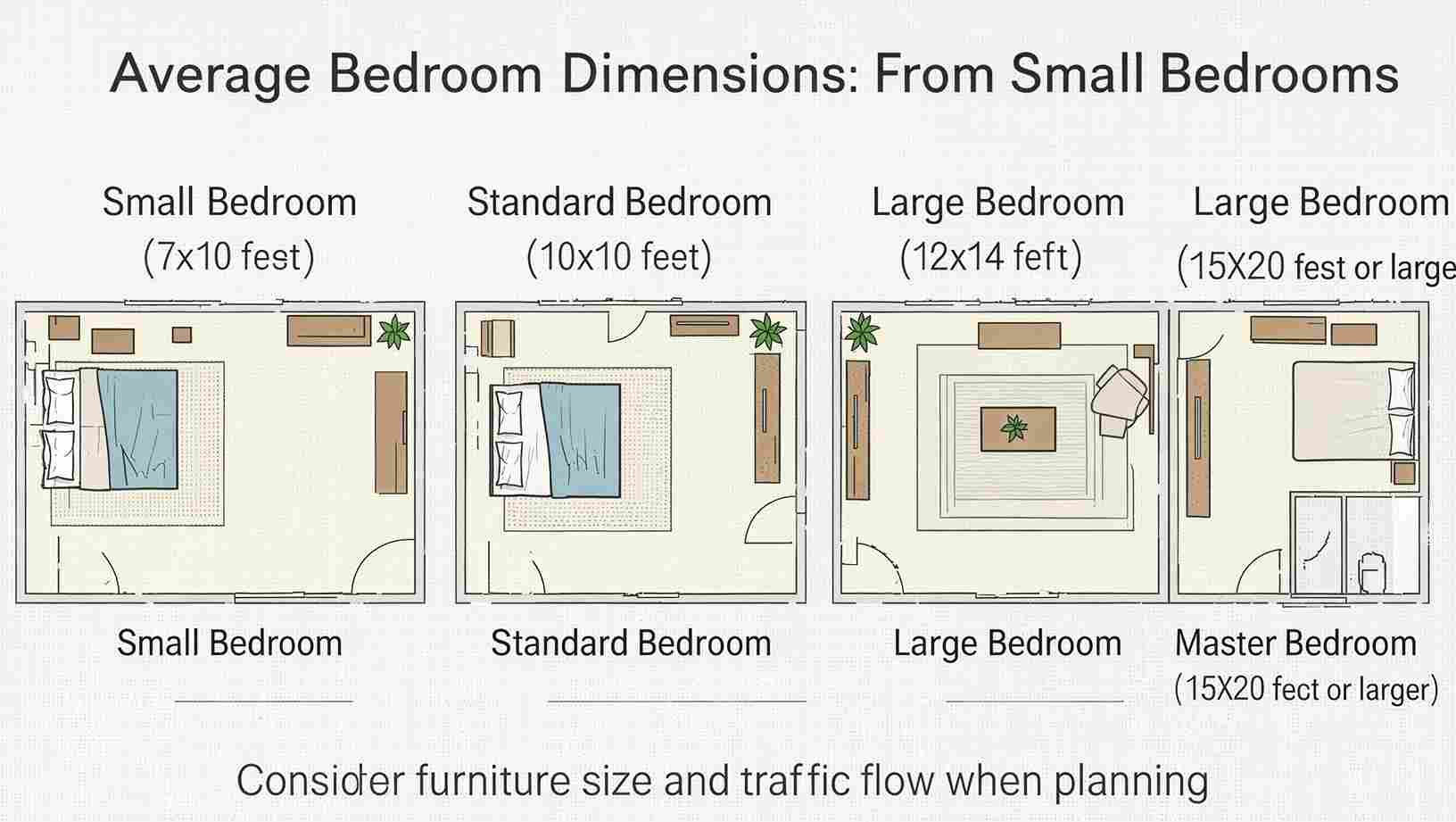
Let’s start with the basics. When we talk about the average dimensions of a bedroom, we mean the typical width, length, and overall space that most bedrooms occupy. Most dimensions of an average bedroom in modern homes fall between 10×10 feet to 12×14 feet, which is about 100 to 168 square feet. This is big enough for a bed, a few essential furniture pieces like a dresser or nightstand, and still have room to move around comfortably.
Think of it like this: you want enough space to stretch your arms, walk around, and not feel cramped while still keeping everything cozy. That’s exactly why designers often refer to these average dimensions of a bedroom when planning layouts for new houses or renovations.
If you’re curious about what is the average dimensions of a bedroom, here’s a quick overview:
- Small bedrooms: 10×10 feet (~100 sq ft) – perfect for kids’ rooms or guest bedrooms.
- Standard bedrooms: 11×12 to 12×14 feet (~132–168 sq ft) – comfortable for most uses.
- Large bedrooms: 14×16 feet (~224 sq ft) or more – ideal for master suites or luxury homes.
These numbers may seem simple, but knowing them upfront can save you from future headaches when it comes to furniture placement or designing a room that actually feels comfortable.
Average Dimensions of a Master Bedroom
Master bedrooms are the crown jewels of any home, and understanding the average dimensions of a master bedroom can make a huge difference. Most master bedrooms in modern homes are a bit more generous than standard bedrooms. On average, the average dimensions of master bedroom spaces range from 14×16 feet to 16×20 feet, or roughly 224–320 square feet.
This extra space gives you the flexibility to include larger furniture, like a king-size bed, a dresser, bedside tables, and maybe even a cozy reading nook. When thinking about average dimensions of the master bedroom, remember that a master suite isn’t just about size; it’s about comfort. You want a space where you can relax without bumping into furniture or feeling cramped.
And for homes with unique styles, like Victorian designs, the average dimensions of a Victorian bedroom can vary widely. Some may feel larger due to high ceilings and tall windows, even if the floor space is similar to standard dimensions. That’s why it’s important to think about both length and width, as well as how furniture will fit naturally into the space.
Dimensions for Different Bedroom Types
Every bedroom type has its own typical size, and knowing the average dimensions of bedroom types helps when planning a house layout. Let’s take a look at some common examples:
- Double Bedroom: The average dimensions of a double bedroom are usually around 11×12 feet, making it perfect for two people sharing a bed. It fits a double bed comfortably while still leaving room for a wardrobe or dresser.
- Half Bedroom: Often used as a small office or guest room, the average dimensions of a half bedroom can range from 8×10 feet to 9×10 feet. It’s smaller than a standard bedroom but functional for short-term use.
- Large Bedroom: If you’re lucky enough to have a spacious home, the average dimensions of large bedroom areas are usually 14×16 feet or larger. These rooms give you the flexibility to create zones for sleeping, reading, and storage.
- Bedroom with Extra Features: Some rooms include benches or built-in cabinets. The average dimensions of bedroom bench or average dimensions of bedroom cabinets often fit comfortably within the standard layout but require planning so that furniture doesn’t block walkways.
Bedrooms in Different Homes
Bedrooms vary depending on the type of house. For instance, when considering mobile homes or multi-bedroom houses, the average dimensions of a 3 bedroom house will have bedrooms that are slightly smaller than the master, but still functional. Typically, these bedrooms range from 10×10 feet to 12×12 feet.
For larger mobile homes, like a 5-bedroom double wide, the average dimensions of a 5-bedroom double wide mobile home often provide slightly more space, sometimes nearing 12×14 feet per room, to ensure comfort even with multiple residents.
Understanding these averages helps you visualize how furniture will fit and how to make the most of your space.
Planning Furniture and Layouts
Knowing the dimensions of an average bedroom isn’t just about numbers; it’s about making the room feel comfortable and inviting. Here are some practical tips:
- Beds: Ensure there’s at least 2–3 feet of walking space around the bed. For master bedrooms, larger beds like kings or queens fit nicely within the average dimensions of master bedroom.
- Storage: Use the average dimensions of bedroom cabinets to plan closet or dresser space. This prevents overcrowding and keeps the room functional.
- Seating: Adding a small bench is easier when you know the average dimensions of bedroom bench for your room. Even small rooms can accommodate a cozy spot for sitting.
- Flow: Always consider circulation space. Walking paths are essential, especially in large bedrooms or rooms with multiple furniture pieces.
Why Bedroom Size Matters
It might seem simple, but bedroom size affects your daily life more than you think. A room that’s too small can feel claustrophobic, while a room that’s too large may feel empty or cold if not decorated well. By understanding the dimensions of average bedroom, average dimensions of bedroom, and average dimensions of master bedroom, you can create a room that’s both functional and comfortable.
Even details like the average dimensions of a Victorian bedroom or a double bedroom can influence lighting, storage, and furniture decisions. With these measurements, you can plan furniture, wardrobes, and even benches without guessing or overcrowding your space.
Summary
By now, you have a clear idea of:
- Standard bedroom sizes for small, medium, and large rooms
- Master bedroom dimensions and how to plan for comfort
- Different bedroom types, including half bedrooms, double bedrooms, and bedrooms with cabinets or benches
- How to consider bedroom sizes in multi-bedroom homes
Understanding these dimensions of an average bedroom is the first step toward a home that feels balanced, inviting, and functional. Once you know the numbers, you can move on to furniture, layout, and style choices with confidence.
Future-Proofing Bedroom Designs and Renovation Tips
Knowing the dimensions of average bedroom or average dimensions of master bedroom is essential, but planning for the future ensures your bedroom remains comfortable, functional, and stylish for years to come. Whether you live in a 3-bedroom house, a 5-bedroom double wide mobile home, or a Victorian home, future-proofing your design prevents costly renovations and helps you enjoy your space long-term.
1. Flexible Layouts for Changing Needs
Life changes, and so do bedroom requirements. A flexible layout ensures your room adapts to:
- Growing children in a double bedroom or half bedroom
- Guests who need comfort in a secondary bedroom
- Couples upgrading to a master bedroom or large bedroom
Tips for flexibility:
- Use modular furniture like bedroom cabinets with adjustable shelves.
- Include bedroom benches that double as storage or seating.
- Avoid built-ins that limit future furniture placement.
By planning around the average dimensions of bedroom and keeping circulation space open, you can easily repurpose rooms without major renovations.
2. Renovation Tips Based on Bedroom Size
If you’re renovating, knowing the dimensions of an average bedroom guides structural and decorative decisions:
- Small Bedrooms:
- Consider removing non-structural walls to expand space.
- Use wall-mounted shelves or lofted beds to maximize vertical space.
- Master Bedrooms:
- Upgrade lighting, flooring, and storage without altering core dimensions.
- Plan zones for sleeping, seating, and dressing using average dimensions of master bedroom as reference.
- Large Bedrooms:
- Ensure large spaces don’t feel empty. Create multiple zones with bedroom benches, cabinets, or seating areas.
- Add cozy elements like rugs, curtains, and layered lighting for warmth.
Renovations guided by real average dimensions of bedroom measurements prevent overcrowding or wasted space.
3. Long-Term Comfort and Ergonomics
Bedrooms should be designed not just for aesthetics but for long-term comfort. Here’s what to keep in mind:
- Bed Placement:
- Keep beds accessible from both sides when possible.
- Maintain at least 2–3 feet around beds in standard bedrooms, and 3–4 feet in master bedrooms.
- Storage and Organization:
- Use bedroom cabinets and storage benches to minimize clutter.
- Plan storage space based on furniture needs for the average dimensions of a 3 bedroom house or 5-bedroom double wide mobile home.
- Lighting:
- Layered lighting improves comfort and reduces eye strain.
- Natural light enhances mood and makes rooms feel larger.
- Temperature and Ventilation:
- Ensure good airflow and window placement in large bedrooms.
- Proper ventilation improves sleep quality in all bedroom types.
4. Incorporating Technology and Modern Comforts
Modern bedrooms often include smart technology and added comforts:
- Smart lighting that adjusts brightness based on time of day
- USB outlets in bedroom cabinets for convenient charging
- Climate control for maintaining comfortable temperature in master bedrooms or large bedrooms
Even with average dimensions of bedroom or average dimensions of master bedroom, these features can be seamlessly integrated without overcrowding.
5. Planning for Growth and Future Use
Future-proofing also involves thinking ahead:
- Children’s Rooms: Make half bedrooms adaptable as kids grow.
- Guest Rooms: Design double bedrooms that can convert to home offices or hobby spaces.
- Master Bedroom: Plan for aging in place by allowing enough clearance for mobility aids if needed.
By combining dimensions of average bedroom with flexible furniture and layouts, you ensure your bedrooms remain functional and comfortable for decades.
Summary
- Flexible layouts allow bedrooms to adapt to changing needs over time.
- Renovations should respect existing average dimensions of bedroom while improving function and style.
- Long-term comfort involves bed placement, circulation, storage, lighting, and ventilation.
- Modern technology and comforts can be integrated without sacrificing space.
- Planning for future use ensures bedrooms remain functional, stylish, and welcoming.
By using the average dimensions of master bedroom, average dimensions of a double bedroom, and dimensions of an average bedroom as a guide, your bedrooms can stay practical, cozy, and beautiful for years to come.


