








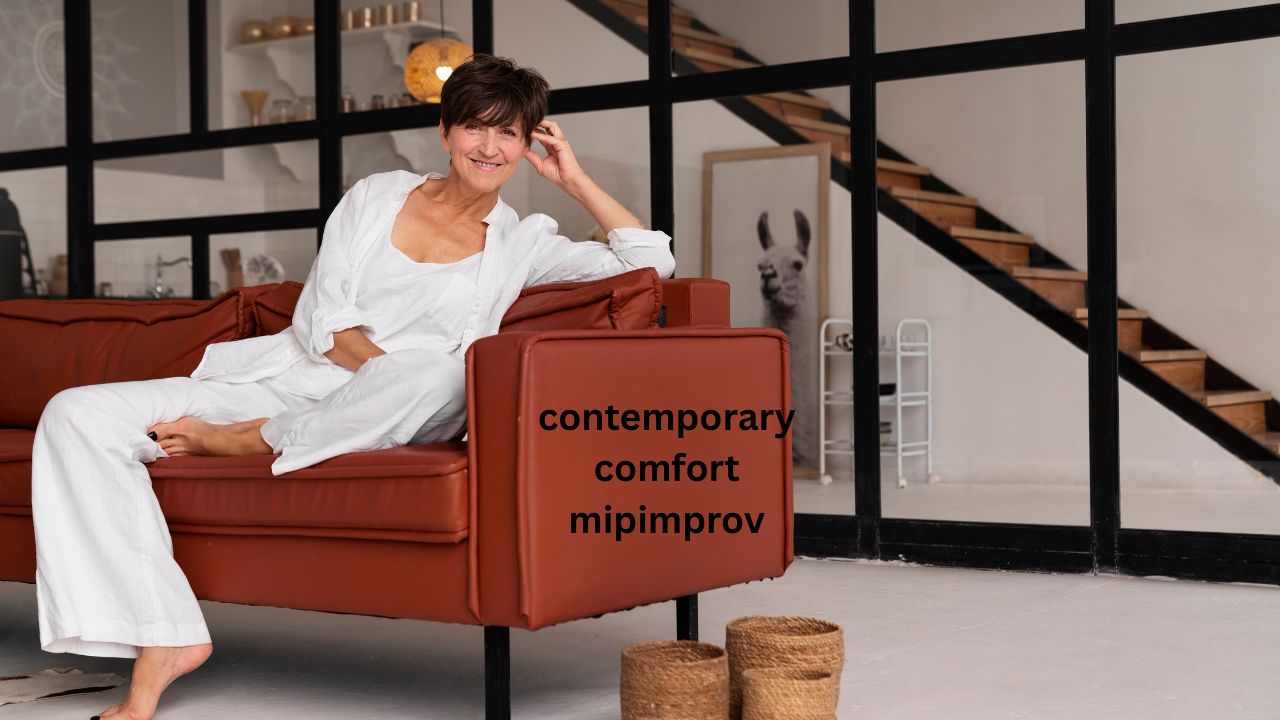

So now that you know what contemporary comfort mipimprov is, let’s dig into the heart of it—its core principles. These are the building blocks that turn any space from ordinary to extraordinary. Think of them as the secret recipe for making your home modern, cozy, and functional all at once. By understanding these principles, you can start designing spaces that not only look amazing but also feel amazing—because that’s what contemporary comfort mipimprov is all about.
1. Ergonomic and Human-Centered Design
First things first: comfort isn’t just about soft cushions or warm lighting. It’s about how your body interacts with your space. Contemporary comfort mipimprov focuses on ergonomics, which is a fancy word for making sure your home works for you, not the other way around.
For example, your chairs and sofas should support your back, your desks should allow you to work without straining, and pathways should be clear so you can move freely. Even small changes—like adjusting the height of a coffee table or moving a reading lamp—can make a huge difference. These tweaks are classic mipimprov moves: little adjustments that improve daily life without a massive renovation.
The principle here is simple: design for humans, not just for looks. If it’s beautiful but uncomfortable, it’s missing the point. When you follow this principle, you’re practicing contemporary comfort mipimprov in the most practical sense.
2. Minimalist Yet Cozy Interiors
You might have heard that minimalism can feel cold or empty. That’s not true if you do it right. Contemporary comfort mipimprov thrives on balance: sleek, modern design that doesn’t sacrifice warmth.
How do you achieve this? Start by keeping furniture simple and functional. Avoid unnecessary clutter, but don’t strip away everything that adds personality. Add soft textures—like a plush rug, cushions, or curtains—to bring warmth. Mix materials, like wood and metal, to give depth and interest.
The magic here is in the small improvements. A minimalist sofa paired with a textured throw, a simple lamp, and a small plant transforms a plain living room into a space that’s cozy, modern, and full of life. Every addition is intentional, which is exactly what contemporary comfort mipimprov encourages.
3. Sustainability and Smart Home Integration
Modern living isn’t just about how things look; it’s about how they work for the world and for your life. One core principle of contemporary comfort mipimprov is sustainability. Think energy-efficient lighting, durable furniture, and materials that last longer. By choosing sustainable options, you’re improving your home while also making better choices for the environment.
Another key idea is smart home integration. This doesn’t mean complicated gadgets for the sake of it. It’s about small improvements that make daily life easier—like smart lighting that adjusts automatically to your routines, or thermostats that keep your home cozy without wasting energy. These are all examples of mipimprov in action: small, thoughtful tweaks that create comfort, efficiency, and modern style at the same time.
4. Emotional Impact of Design
Here’s something people often overlook: a home affects your emotions. Walk into a cluttered or cold space, and you might feel stressed or restless. Enter a home designed with contemporary comfort mipimprov, and you instantly feel calm, happy, and at ease.
Colors, textures, and lighting all play a role here. Soft neutrals and muted tones create relaxation. Warm lighting can lift your mood. Natural materials like wood or cotton give a soothing touch. Even the placement of furniture affects how your brain interprets the room. Every choice in contemporary comfort mipimprov has an emotional purpose, which makes it more than just decoration—it makes it therapy for your everyday life.
5. Small, Intentional Improvements (Mipimprov in Action)
At the heart of contemporary comfort mipimprov is the idea of small, intentional improvements. You don’t need to redo your entire home overnight. You can start with tiny, meaningful changes that make a noticeable difference.
For instance:
- Swap a harsh overhead light for a warm table lamp.
- Add a soft rug to an empty corner.
- Place a throw blanket over your sofa for comfort and color.
- Rearrange furniture to make movement easier and more natural.
- Add a plant or two to bring nature indoors.
Each of these small tweaks improves your space and enhances comfort, which is exactly what mipimprov is all about. Over time, these micro improvements accumulate, creating a home that’s stylish, functional, and uniquely yours.
6. Balance Between Function and Style
Another key principle of contemporary comfort mipimprov is finding the perfect balance between function and aesthetics. A room might look beautiful in a magazine, but if it’s hard to live in, it doesn’t deliver real comfort.
When designing, ask yourself:
- Can I use this furniture comfortably?
- Does this layout make life easier?
- Do the colors and textures feel inviting?
By keeping both function and style in mind, every choice contributes to contemporary comfort mipimprov, making your home not just beautiful, but livable.
7. Personalization and Individual Expression
Finally, one of the most overlooked principles is personalization. No two homes should feel exactly the same, because no two people are the same. Contemporary comfort mipimprov encourages you to include items that reflect your personality.
This could be a favorite painting, a cozy reading nook, or furniture that matches your lifestyle. These personal touches make your space feel alive and give it a soul. Small improvements, guided by your taste, are exactly the kind of mipimprov that turns a house into a home.
Putting It All Together
When you practice these core principles, contemporary comfort mipimprov transforms your home into a space that is:
- Modern and stylish
- Cozy and inviting
- Functional and practical
- Emotionally uplifting
- Uniquely yours
Every choice, from lighting to furniture to color palettes, is a chance to practice mipimprov—to make your space better, one small tweak at a time. And the best part? You don’t need a huge budget or a team of experts. By understanding these core principles, you can create a home that feels amazing, reflects your personality, and works perfectly for your life.


