








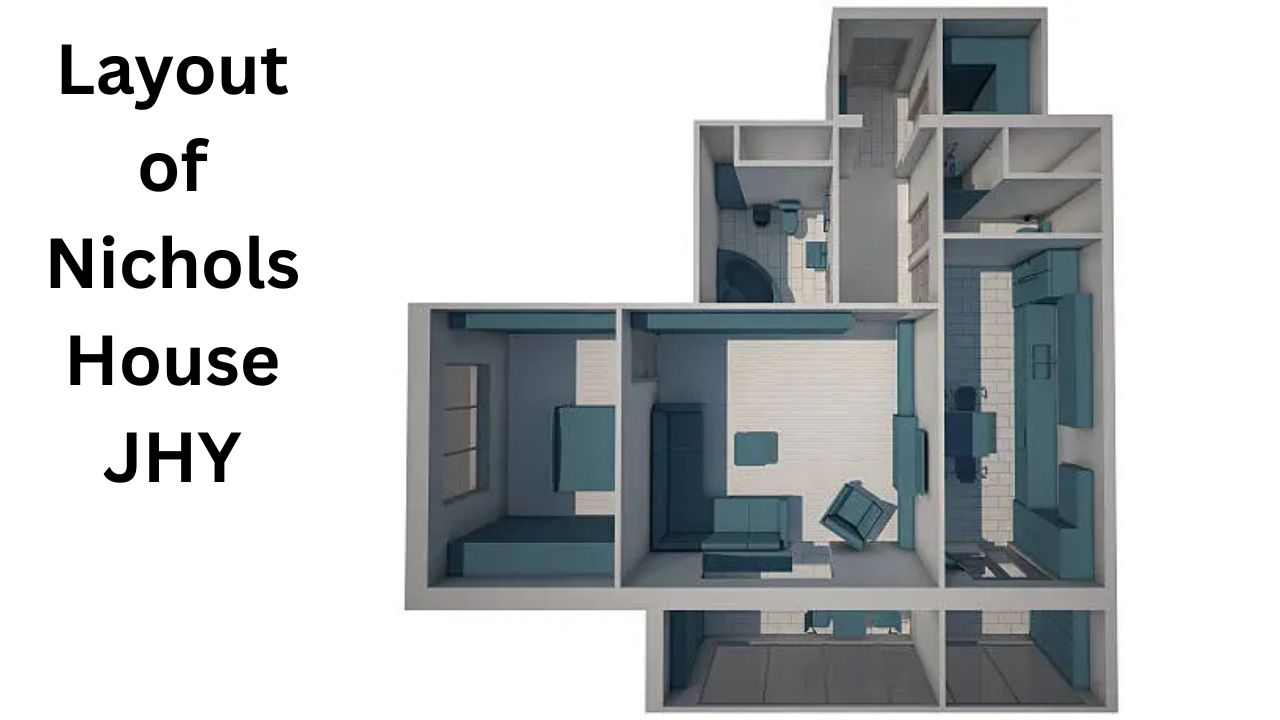

Have you ever wondered what it would feel like to step into a house that tells a story just by the way it is built? Well, that’s exactly what the layout of Nichols House JHY does. This isn’t just any ordinary house with rooms and walls—it’s a home where every corner, hallway, and room has a reason, a purpose, and a little bit of magic hidden inside. Today, we’re going to take a journey through the layout of Nichols House JHY, exploring its rooms, its quirky corners, and the little details that make it truly unique.
First things first, let’s set the scene. Imagine a house built with care, where the design reflects the life and style of the people who live there. The layout of Nichols House JHY is designed to be practical, beautiful, and a little unexpected. It’s not just about how many rooms there are or where the kitchen sits—it’s about how the spaces flow, how you move from one area to another, and how each room tells its own little story.
Now, when we talk about the layout of Nichols House JHY, we are not just talking about walls and floors. We’re talking about a carefully planned home where every room serves a purpose, every hallway has a reason for being, and every nook has a place for memories. Whether you’re walking into the living room, the bedrooms, or even the smaller hidden spaces, you start to notice how the design guides you naturally from one area to the next. It’s like the house is gently holding your hand, showing you where to go without saying a word.
The first thing that strikes most people about the layout of Nichols House JHY is how the spaces are connected. Unlike many modern homes where rooms can feel chopped up or isolated, Nichols House has a flow that makes the whole home feel like one big, welcoming space. You can imagine walking through the living room, feeling the warmth of the fireplace, then moving into the kitchen where the smell of baked bread or coffee fills the air. That’s not by accident. The layout of Nichols House JHY is intentionally designed to make everyday life comfortable, easy, and just a little bit magical.
One of the most fascinating aspects of the layout of Nichols House JHY is its mix of open spaces and cozy corners. There’s something about the way the rooms are arranged that makes you feel free to move around, but also gives you spots where you can sit quietly, read a book, or just relax. For instance, the living room is big and open, perfect for gatherings, but nearby there’s a smaller study or nook where you can escape if you need a quiet moment. This balance of space is one of the reasons the layout of Nichols House JHY feels so special.
Now, let’s talk about the flow from room to room. The layout of Nichols House JHY is designed with both function and comfort in mind. The bedrooms are tucked away so they feel private, yet they’re still close enough to bathrooms and shared spaces to be convenient. The kitchen, often called the heart of any home, is centrally located, making it easy to serve meals, chat with family, or even keep an eye on what’s happening in other rooms. It’s simple yet clever, practical yet warm. That’s the kind of thoughtfulness that makes the layout of Nichols House JHY stand out.
What about the little details that make a house feel alive? The layout of Nichols House JHY isn’t just about walls, doors, and windows—it’s about the little touches that make the home feel lived in and loved. For example, the hallways aren’t just straight paths from point A to point B; they have curves or small alcoves that create interesting views as you move through the home. The placement of windows allows sunlight to spill into rooms at just the right angle, making each space feel bright and inviting. Even small storage areas are cleverly placed so they’re convenient but don’t get in the way. These small details, carefully planned, are part of what makes the layout of Nichols House JHY truly remarkable.
One more thing that really makes the layout of Nichols House JHY shine is its attention to versatility. Rooms aren’t just boxes with a single purpose. They can serve multiple functions depending on what you need. A bedroom might also serve as a home office. A study could double as a guest room. The living areas can shift depending on whether you’re hosting a big dinner or having a quiet evening at home. This flexibility is baked right into the layout of Nichols House JHY, making it a home that adapts to the lives of the people who live there.
Now, let’s consider the charm factor. The layout of Nichols House JHY isn’t just practical—it’s also beautiful. The way the rooms are positioned allows for great views of the outdoors, and the placement of doors and windows creates a rhythm that feels pleasing to the eye. The exterior design complements the interior flow, creating a sense of harmony from the outside in. This isn’t something you can always achieve in a typical home, but the layout of Nichols House JHY nails it perfectly.
Another point worth highlighting is the connection between spaces. Unlike homes where rooms feel separate or disconnected, the layout of Nichols House JHY encourages interaction. You might notice that the kitchen and living room are close enough that you can chat with someone cooking while sitting in the living area. Or perhaps the study has a small view of the hallway, so you can feel connected even while working quietly. These subtle design choices are what make the layout of Nichols House JHY feel so natural and welcoming.
Even the placement of functional rooms is smart. The bathrooms are easy to access from all bedrooms, and the laundry or utility areas are discreet but convenient. The design minimizes walking back and forth unnecessarily, showing how every inch of the layout of Nichols House JHY was thoughtfully planned. This makes daily life feel smoother and less stressful—something everyone can appreciate.
Now, if we zoom out and look at the overall plan, you’ll see that the layout of Nichols House JHY is more than the sum of its parts. It’s not just about individual rooms or hallways; it’s about how everything works together to create a sense of home. The combination of private spaces, shared areas, cozy corners, and open rooms creates a rhythm that feels natural and comfortable. It’s almost like the house itself is alive, gently guiding you through each space in a way that feels intuitive and welcoming.
Let’s not forget about special touches, like built-in storage, window seats, and creative nooks. These elements might seem small, but they add layers of usability and charm to the layout of Nichols House JHY. They make the house feel more like a home and less like a structure. You start to notice these details as you explore the rooms, and they become part of what you remember about the space.
Finally, the beauty of the layout of Nichols House JHY is how it balances the old with the new. While it may have historical or classic elements, the design still feels relevant and functional for modern living. Each room, each hallway, and each corner has a purpose, and everything comes together to create a home that’s easy to live in, easy to enjoy, and easy to remember.
In short, the layout of Nichols House JHY is a masterpiece of thoughtful design, clever planning, and subtle charm. From the way rooms flow into each other, to the way light moves through the windows, to the cozy nooks tucked away for quiet moments, everything about this home invites you to explore and feel comfortable. It’s practical, it’s beautiful, and it’s full of character—a perfect example of how a well-designed layout can make a house feel like a home.
Historical Context and Architectural Significance of Nichols House JHY
When you explore the layout of Nichols House JHY, it’s impossible to ignore the story behind it. Every wall, hallway, and unique design element carries a piece of history. Understanding the historical context and architectural significance of this house adds a rich layer to appreciating its layout, design, and charm. It’s more than a collection of rooms—it’s a testament to thoughtful planning, craftsmanship, and the architectural trends of its time.
1. Origins and Early History
The layout of Nichols House JHY didn’t happen by accident. The house was designed with careful attention to both aesthetics and practicality. Historical records suggest that the architect wanted a home that balanced innovation with comfort, a place where families could live efficiently while still enjoying unique, memorable spaces.
The pentagon-shaped ends, angled hallways, and built-in nooks weren’t just artistic choices—they reflect a period when architects were experimenting with form and function, moving away from the rigid, boxy layouts common in older homes. The layout of Nichols House JHY represents a bridge between traditional residential design and more modern, inventive approaches.
2. Architectural Style Influence
The architectural style of the Nichols House is subtle but meaningful. Elements of classic home design blend with unique, unconventional features to create a house that feels both familiar and extraordinary.
The layout of Nichols House JHY shows influences from early 20th-century residential architecture, with its emphasis on natural light, private yet connected rooms, and thoughtful flow between spaces. At the same time, unusual shapes like pentagonal corners and L-shaped sections demonstrate forward-thinking creativity. This combination of old and new highlights the architectural significance of the home, showing how the layout was ahead of its time.
3. Function Meets Form
One of the reasons the layout of Nichols House JHY is historically significant is its perfect marriage of form and function. Many historic homes prioritized grandeur over practicality, resulting in spaces that looked beautiful but weren’t always easy to live in. Nichols House, however, balances both beautifully.
The L-shaped design creates functional outdoor spaces, while interior layouts prioritize traffic flow, natural light, and privacy. Bedrooms are tucked away, living areas are central, and special features like nooks and alcoves are both decorative and practical. The layout of Nichols House JHY is a reminder that thoughtful design can create homes that are not only visually striking but also highly livable.
4. Influence on Later Designs
The layout of Nichols House JHY has inspired later architects and designers who appreciated its creative approach to space. Its clever use of angles, pentagon-shaped ends, and interior-exterior integration has been referenced in modern designs, particularly in homes that aim to blend functionality with charm.
Studying the Nichols House helps homeowners and architects alike understand the importance of flow, natural light, and adaptability. The layout of Nichols House JHY proves that innovation doesn’t mean sacrificing comfort—it shows how a house can be both practical and inspirational.
5. Historical Features Preserved
Despite its innovative layout, Nichols House preserves many historical features that anchor it in its era. Windows, trim, and rooflines reflect traditional craftsmanship, while interior details like built-in shelving and alcoves show attention to function and aesthetics.
The layout of Nichols House JHY accommodates these historical elements seamlessly. The combination of preserved historical features with unique design choices adds depth to the home, making it a living piece of architectural history.
6. Community and Cultural Significance
Beyond architecture, the layout of Nichols House JHY has cultural and community significance. Homes like this were designed to reflect both status and practicality. They represented a way of life where families could live comfortably, entertain guests, and enjoy private retreats.
In the broader community context, the Nichols House stands out as a landmark of thoughtful residential design. Its layout of Nichols House JHY influenced how neighboring homes were designed, demonstrating how a single house can shape the aesthetic and functional expectations of an entire area.
7. Interior Layout Reflecting Historical Living Patterns
The layout of Nichols House JHY also tells a story about historical living patterns. Bedrooms were positioned for privacy, living areas for family interaction, and kitchens for both work and social connection.
Even the placement of bathrooms and storage reflects historical priorities: practicality without sacrificing comfort. Walking through the Nichols House, you can almost sense how families lived, interacted, and valued their spaces. The layout of Nichols House JHY is more than architectural—it’s a snapshot of domestic life from its era.
8. Architectural Innovations
One of the most fascinating aspects of the layout of Nichols House JHY is its innovative use of space. Features like pentagonal ends, multi-functional rooms, and built-in nooks were rare at the time of its design.
These innovations weren’t just artistic—they solved real problems. Angled rooms allowed for better lighting, natural ventilation, and creative furniture placement. Built-in storage maximized space efficiency, while L-shaped outdoor areas created usable private spaces. The layout of Nichols House JHY demonstrates how innovative design can improve both form and function.
9. Influence of Light and Orientation
The orientation of Nichols House also plays a historical and functional role. Windows, doors, and angles were carefully planned to optimize sunlight and airflow.
The layout of Nichols House JHY shows an understanding of passive design principles long before they became common. Living rooms and dining areas catch morning sunlight, while bedrooms enjoy soft, indirect light. Hallways and small nooks benefit from natural illumination, enhancing comfort and energy efficiency. The thoughtful use of light is both a historical feature and a design innovation.
10. Lasting Legacy
Today, the layout of Nichols House JHY continues to impress architects, historians, and homeowners. Its clever integration of interior and exterior spaces, use of unusual shapes, and balance of practicality and aesthetics make it a timeless design.
The house serves as a reminder that historical homes can teach us valuable lessons about design, comfort, and creativity. By studying the layout of Nichols House JHY, modern designers can learn how to create spaces that are both functional and full of character.
11. Lessons for Modern Home Design
The historical significance of the layout of Nichols House JHY isn’t just about the past—it offers lessons for today. Flexibility, flow, and integration with nature are all principles that remain relevant in modern home design.
From multi-functional rooms to strategic window placement, every detail provides inspiration for designing homes that feel comfortable, beautiful, and enduring. The layout of Nichols House JHY proves that smart design is timeless.
12. Conclusion: The Timeless Value of Nichols House
In summary, the layout of Nichols House JHY is more than a floor plan—it’s a piece of history. Every room, hallway, and outdoor space reflects careful thought, creativity, and an understanding of how families live.
Its architectural significance lies in its innovation, functionality, and charm. It bridges the gap between traditional and modern design, showing how homes can be both practical and inspiring. Studying the layout of Nichols House JHY allows us to appreciate not only its beauty but also the lessons it offers for creating homes that stand the test of time.


