








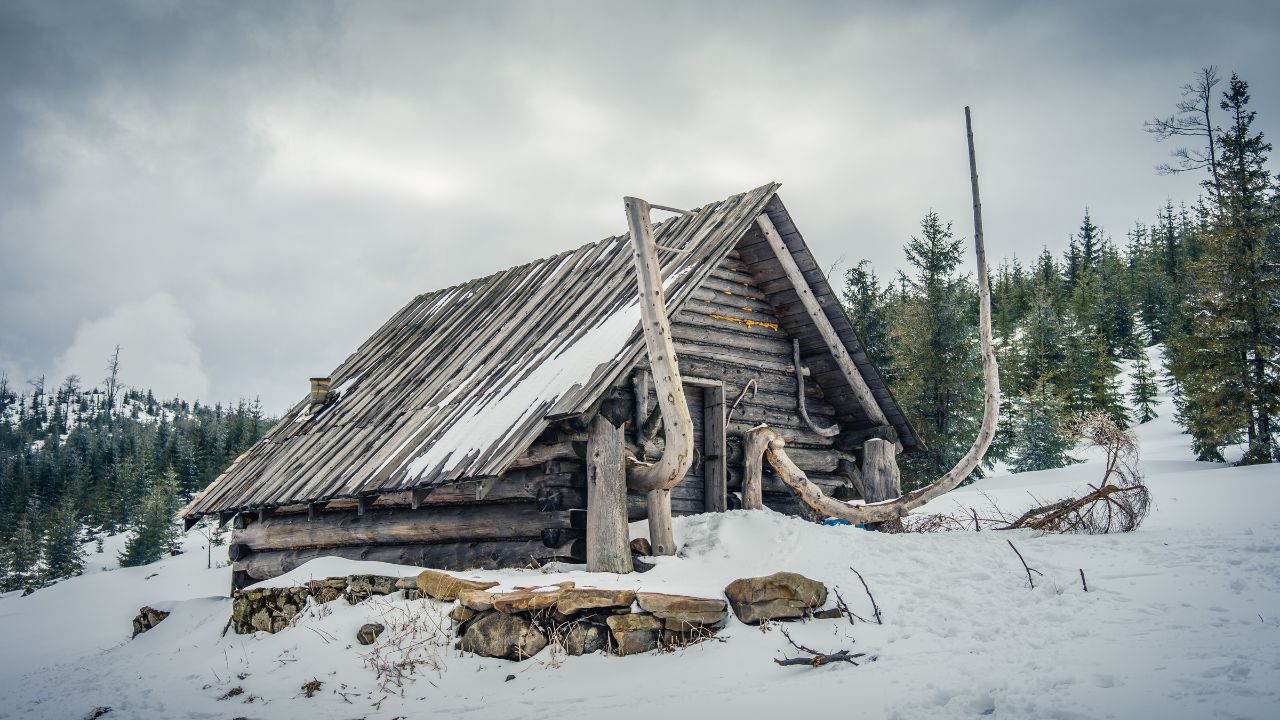

Seasonal temperature swings can cause significant wear on a home’s roof. In regions with cold winters and mild springs, the freeze thaw cycle gradually weakens materials, leading to cracks, leaks, and reduced lifespan. Understanding how this process works helps homeowners maintain their roofing more effectively.
What Happens During Freeze Thaw Cycles
When temperatures drop below freezing, any moisture trapped in small gaps or pores of roofing materials turns into ice. As water freezes, it expands, applying pressure to shingles, flashing, and sealants. Once temperatures rise, the ice melts, leaving behind slightly larger gaps for the next freeze.
This repeated expansion and contraction create microscopic fractures that slowly widen over time. The more frequently temperatures fluctuate, the faster the deterioration occurs.
Impact on Residential Roofing Materials
Different roofing materials react uniquely to freeze thaw stress. Asphalt shingles, for instance, can become brittle and lose granules. Metal roofs may experience loosening fasteners or distorted panels. Even durable materials like slate or tile can crack if moisture seeps into joints.
For many homeowners, this means that residential roofing requires extra care in climates with wide temperature variations. Regular inspections help identify early signs of stress before they evolve into costly repairs.
Common Warning Signs
- Small leaks appearing after snowmelt or rain
- Curled or cracked shingles
- Loose flashing around vents or chimneys
- Visible ice dams along eaves
- Water stains on ceilings or attic panels
Spotting these issues early can prevent moisture from penetrating deeper layers of the roof structure.
How Water Infiltration Worsens Damage
Once water enters beneath the outer layer, it can reach the underlayment and decking. Repeated thaw cycles allow moisture to spread, weakening wood fibers and corroding metal components. Over time, trapped moisture can also encourage mold growth and insulation damage inside the home.
Proper attic ventilation and insulation reduce this risk by maintaining consistent temperatures and minimizing condensation buildup.
Maintenance Practices That Help
Homeowners can reduce freeze thaw damage by following a few practical maintenance steps. Keeping gutters clear allows melting snow to drain efficiently. Replacing worn sealant around vents and flashing prevents water entry points. Periodic inspections after major storms help identify emerging problems.
- Clean gutters and downspouts before winter
- Trim overhanging branches that drop debris
- Check attic ventilation and insulation levels
- Replace damaged shingles promptly
- Schedule professional inspections twice a year
Consistent upkeep helps extend the life of the roof and ensures it performs well through changing seasons.
Long-Term Protection Strategies
For homes in freeze prone climates, investing in durable materials and proper installation techniques provides long-term benefits. Underlayment membranes designed for ice and water protection, for example, add an extra layer of defense. Choosing materials tested for cold weather flexibility can also reduce cracking and lifting.
While no roof is entirely immune to temperature stress, proactive maintenance and informed material choices significantly lessen the effects of freeze thaw cycles. With attention to detail and regular care, homeowners can preserve both the appearance and performance of their roofing system for many years.


